AI Visibility Tools: 9 Trackers Ranked and Compared
Listen to this article
Browser-native voice. No account required.
AI visibility tools answer the question Google Search Console cannot: when ChatGPT, Perplexity, or Gemini recommends brands in your category, are you one of them? Mojo Links runs trackers like these on live campaigns, and sells none of them, which makes this comparison cheaper to keep honest.
Nine tools made the list. Profound is the strongest enterprise platform, Peec AI wins for agencies, Otterly.AI is the cheapest serious entry at $29 a month, and HubSpot's AI Search Grader is the best free check. Already paying for Ahrefs or Semrush? Start with the module you own.
What Are AI Visibility Tools?
AI visibility tools are software platforms that track how often AI answer engines like ChatGPT, Perplexity, and Google Gemini mention or cite your brand. These platforms run prompt sets across engines, log mentions, capture cited sources, and report share of voice against competitors.
The category exists because AI answers absorbed clicks that search engines used to send. Ahrefs' analysis of 300,000 keywords found the presence of an AI Overview correlated with a 34.5% lower clickthrough rate for the top-ranking page. The buyer still gets an answer. You just cannot see whether you are in it without testing.
Do not confuse the category with two neighbors. Classic brand monitoring and social listening tools like Brand24 count mentions on social media and news sites, not inside AI responses. AI content detectors judge whether text was machine-written and have nothing to do with brand visibility at all.
The unit these trackers count is the AI brand mention: your company named inside a generated answer, linked or not. The full anatomy is broken down in AI brand mentions explained, including why the unlinked ones still count.
What Should An AI Visibility Tool Measure?
An AI visibility tool needs five capabilities: coverage of at least four AI surfaces (ChatGPT, Perplexity, Gemini, Google AI Overviews), mention-citation separation, competitor tracking, source capture, and share-of-voice trending. A tool missing one of these produces counts you cannot act on.
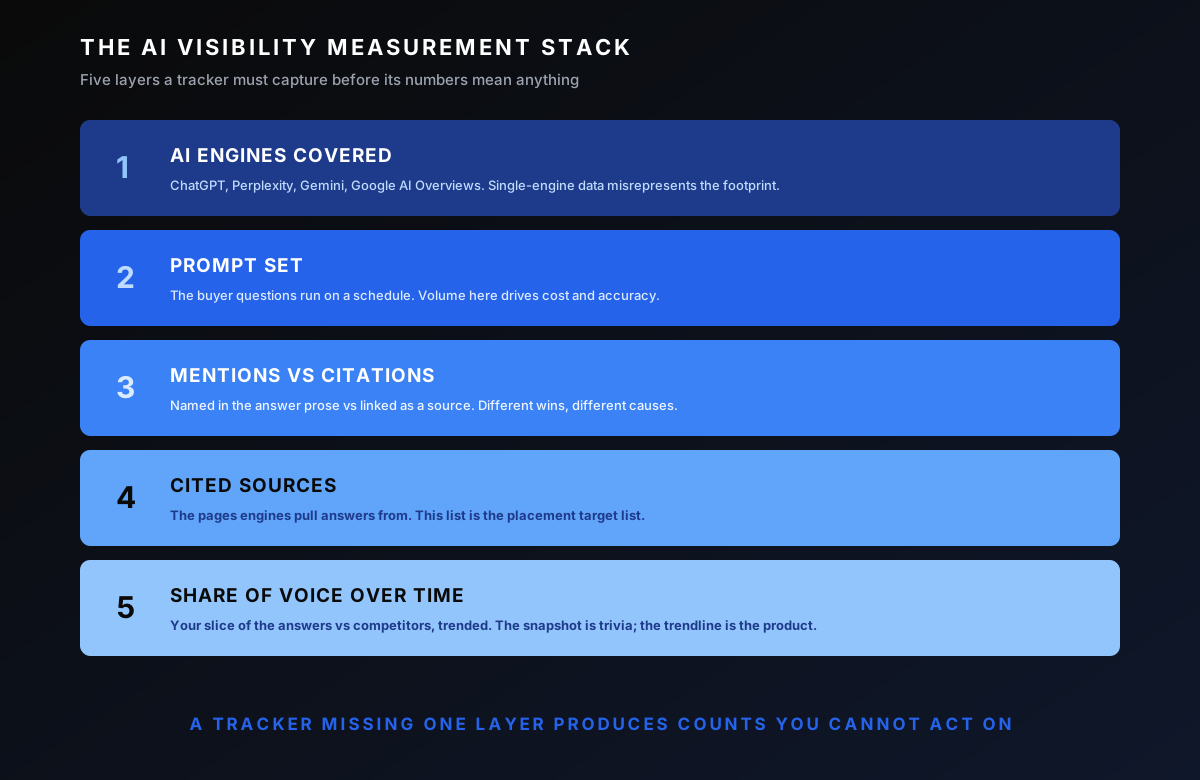
Engine coverage. Each engine picks brands from different sources, so single-engine data misrepresents your footprint.
Mentions vs citations. Being named in prose and being linked as a source are different wins with different causes.
Competitor tracking. A mention count without a competitor baseline is trivia. Share of voice is the metric that moves budgets.
Source capture. The pages an engine cites are your placement target list. A tracker that hides them wastes its own data.
Trend over time. One snapshot tells you where you stand. The trendline tells you whether anything you did worked.
Why does engine coverage matter that much? Because the engines disagree. ChatGPT leans on its training corpus and forum-weighted browsing, which is why ChatGPT brand mentions behave differently from Google's surfaces. Gemini grounds its answers in live Google Search, a mechanism covered in brand mentions in Gemini. A brand can dominate one engine and be invisible in the other on the same queries.
What Are The Best AI Visibility Tools in 2026?
This guide compares nine AI visibility tools on the same yardstick: engines covered, what gets measured, competitor tracking, and price. The verdicts: Profound for enterprise, Peec AI for agencies, Otterly.AI for the cheapest real monitoring, HubSpot AI Search Grader for a free snapshot, and the Semrush or Ahrefs modules if you already pay for either suite.
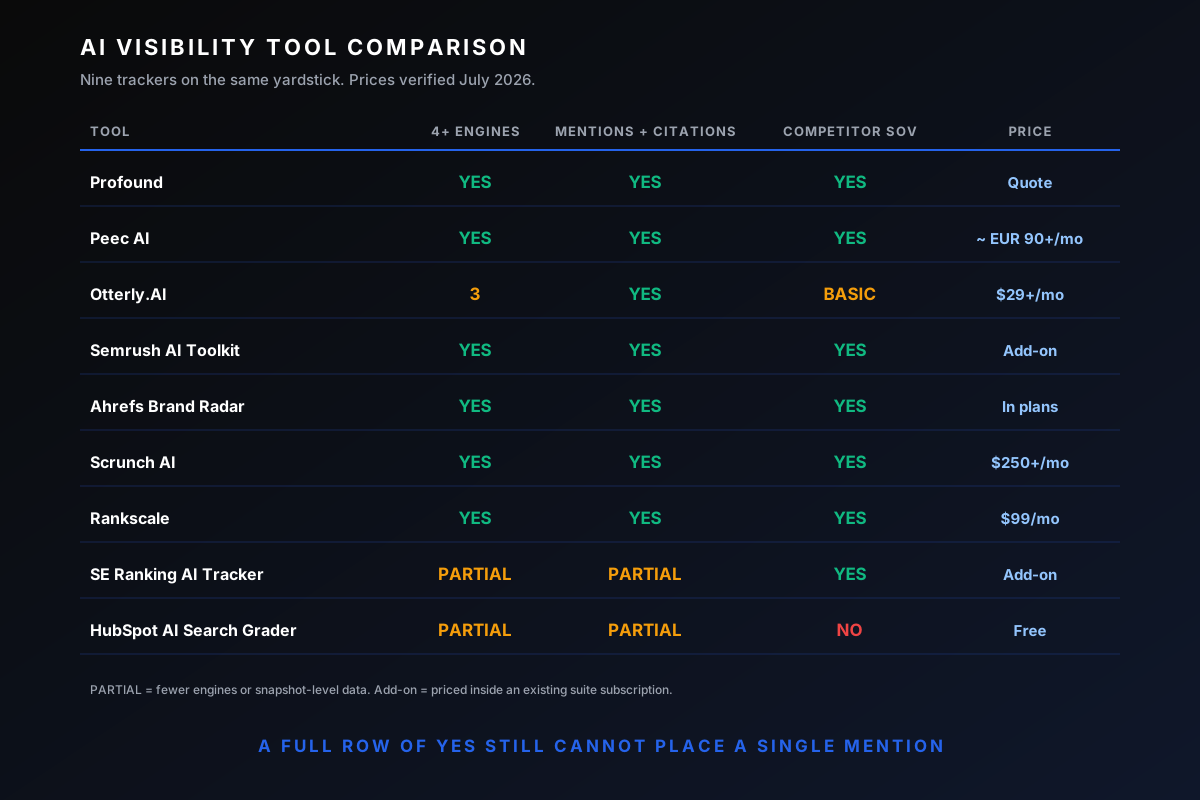
Every vendor comparison on page one of this query ranks the vendor's own tool first. Shocking. What follows is each tool's honest slot, not a scorecard rigged for a signup button.
Profound
Profound is the enterprise platform of the category, built for brands that need defensible AI visibility reporting across every major engine and enough prompt volume to represent a real footprint.

Engines: ChatGPT, Perplexity, Google AI Overviews, Gemini, Microsoft Copilot.
Measures: Mentions, citations, share of voice, sentiment, and the pages engines cite.
Competitor tracking: Yes, side-by-side share of voice against named competitors.
Price: Custom quote. Enterprise money.
Best for: Enterprise brands and large agencies with reporting obligations.
Broadest engine coverage in the category
Enterprise-grade share of voice reporting
Captures cited sources at scale
Custom pricing means a sales call
Overkill below a few hundred prompts
Peec AI
Peec AI is the agency pick: per-engine dashboards, competitor benchmarks, and source analysis without an enterprise sales call in the way.

Engines: ChatGPT, Perplexity, Gemini, Google AI Overviews.
Measures: Brand mentions, position in the answer, share of voice, cited sources.
Competitor tracking: Yes, competitor benchmarking is the core of the product.
Price: From roughly 90 EUR a month [Bart: confirm current tiers].
Best for: Agencies reporting AI visibility to multiple clients.
Multi-client dashboards built for agencies
Strong competitor benchmarking
Clean per-engine breakdowns
Depth a single small brand may not use
Young product, fast-moving interface
Otterly.ai
Otterly.AI is the cheapest serious entry into AI mention tracking, and the natural first step up from manual prompt testing.
Engines: ChatGPT, Perplexity, Google AI Overviews.
Measures: Brand mentions, link citations, sentiment per prompt.
Competitor tracking: Basic, enough for a small competitive set.
Price: From $29 a month (Lite, 15 tracked prompts).
Best for: Founders and small teams buying their first tracker.
Cheapest real monitoring at $29 a month
Prompt-first setup takes minutes
Covers the three big surfaces
15 Lite prompts run out fast
Competitor coverage stays basic
Semrush AI Toolkit
Semrush's AI Toolkit bolts AI visibility onto the SEO tools your team may already open every day, which is exactly its value: one login, one report, both worlds.

Engines: ChatGPT, Gemini, Google AI Overviews, and other major assistants.
Measures: AI visibility score, share of voice, sentiment against competitors.
Competitor tracking: Yes.
Price: Paid add-on per domain [Bart: confirm]; a free AI visibility checker exists for a first look.
Best for: Teams already inside Semrush.
Lives inside the suite your team already uses
Ties AI visibility to classic SEO data
Free checker for a first look
Add-on cost on top of the subscription
Younger than the core Semrush toolset
Ahrefs Brand Radar
Ahrefs Brand Radar tracks brand mentions and share of voice across AI assistants and Google's AI surfaces inside the Ahrefs interface. It is the one Mojo Links checks most often, because the subscription was already paid for.
Engines: ChatGPT, Perplexity, Gemini, Google AI Overviews and AI Mode.
Measures: Mentions, citations, share of voice, AI answer impressions.
Competitor tracking: Yes, entity-level comparisons against competitors.
Price: Included with Ahrefs plans [Bart: confirm allocation by tier].
Best for: Link builders and SEO teams who already live in Ahrefs.
No extra invoice on an Ahrefs plan
Entity-level competitor comparisons
Covers AI Overviews and AI Mode
Needs an Ahrefs subscription to exist
Less client-ready reporting than dedicated platforms
Scrunch AI
Scrunch AI frames tracking around the buyer journey: which prompts a customer asks on the way to a purchase, and where your brand drops out of the answers.

Engines: Major assistants including ChatGPT, Perplexity, and Gemini.
Measures: Brand presence across journey-stage prompts, content readiness for AI crawlers.
Competitor tracking: Yes.
Price: From $250 a month (Core).
Best for: Mid-market teams treating AI visibility as a funnel problem.
Buyer-journey framing clients understand
Flags content readiness for AI crawlers
Competitor tracking included
$250 entry is mid-market money
Fewer SEO-suite integrations
Rankscale
Rankscale gives solo operators per-engine visibility scores and citation analysis at a price that does not require a procurement meeting.
Engines: ChatGPT, Perplexity, Gemini, and other engines.
Measures: Per-engine visibility scores, citation analysis, source breakdowns.
Competitor tracking: Yes.
Price: Pro at $99 a month (1,200 credits).
Best for: Solo founders and small in-house teams.
Per-engine visibility scores at $99
Citation analysis included
No procurement meeting required
Credit model needs watching at scale
Smaller vendor, smaller ecosystem
SE Ranking AI Visibility Tracker
SE Ranking added AI visibility tracking to a classic rank tracker, which suits agencies that want AI answers and organic positions in the same client report.
Engines: Google AI Overviews and major assistants [Bart: confirm engine list].
Measures: AI mentions alongside traditional keyword positions.
Competitor tracking: Yes, inherited from the rank tracker.
Price: Add-on inside SE Ranking plans [Bart: confirm].
Best for: Agencies already running SE Ranking for rank reports.
AI answers and rank tracking in one report
Natural fit for existing SE Ranking agencies
An add-on, not a standalone product
Engine coverage thinner than dedicated trackers
HubSpot AI Search Grader
HubSpot's AI Search Grader is a free one-off scan of how AI engines see your brand. Free, and blunt.
Engines: ChatGPT and other assistants via a one-time analysis.
Measures: Brand sentiment and share of voice snapshot, no ongoing monitoring.
Competitor tracking: Limited, snapshot-level only.
Price: Free.
Best for: A before-you-buy reality check.
Free with zero setup
Instant snapshot of AI presence
One-off scan, no monitoring or trends
No competitor share of voice
How Much Do AI Visibility Tools Cost?
AI visibility tools cost between nothing and an enterprise quote. Free checkers give one-off snapshots, entry plans run $29 to $99 a month, mid-market platforms start around $250 a month, and enterprise contracts like Profound's are priced by conversation. Prices verified on vendor pricing pages in July 2026.
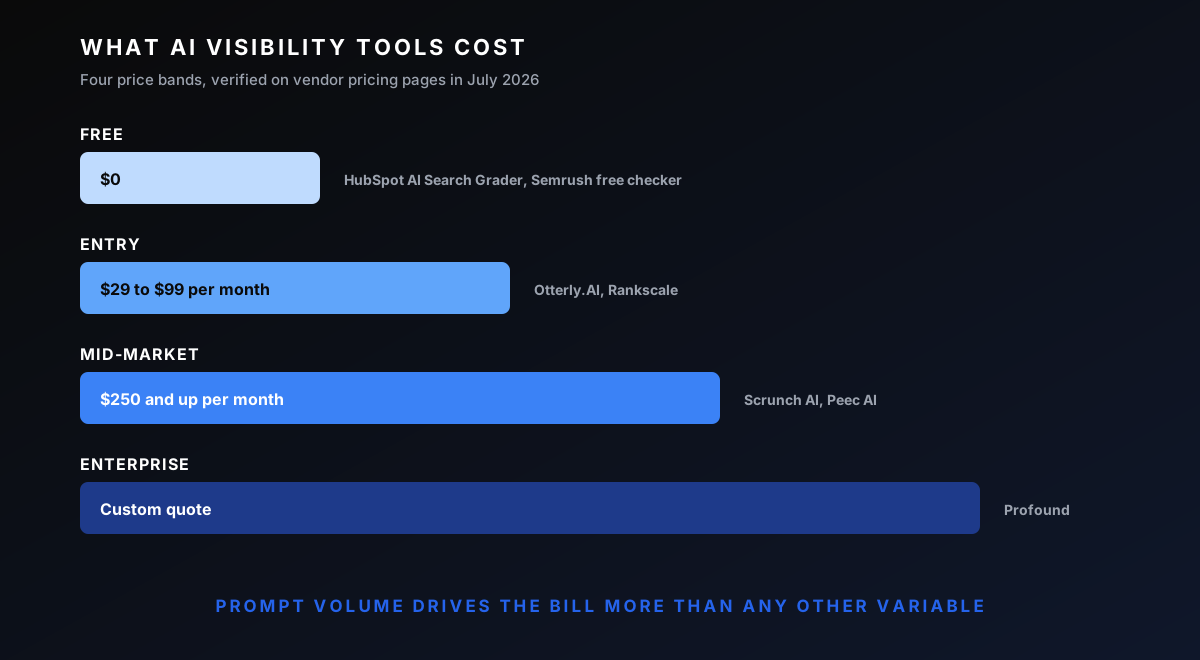
Prompt volume drives the bill more than any other variable. Fifteen tracked prompts cost $29 at Otterly; representing a national brand across four engines, five competitors, and 200 buyer questions is a different machine, and vendors price accordingly.
Seats, markets, and competitor slots stack on top. An agency tracking twelve clients in three countries should budget for the mid band at minimum, and the moment a client asks for defensible board-level reporting, the enterprise tier stops looking optional.
How Do You Choose An AI Visibility Tool?
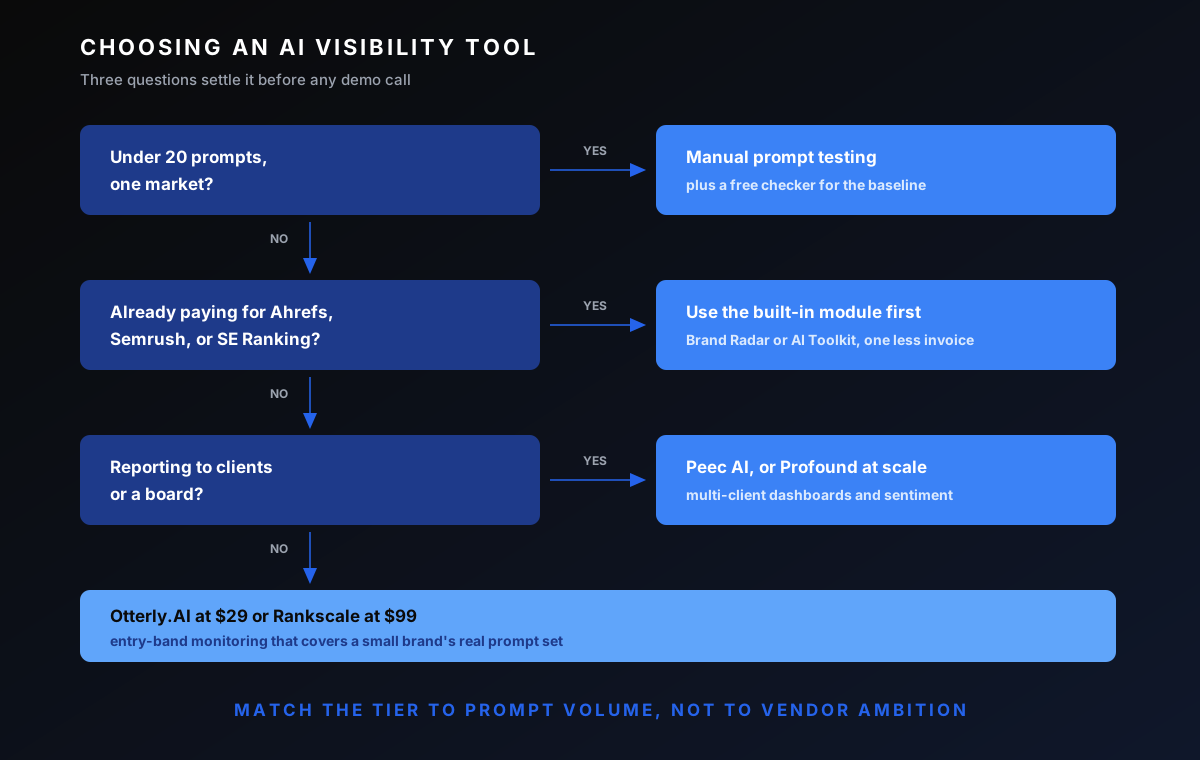
Match the tool tier to your prompt volume and reporting needs, not to the vendor's ambition. The AI search tracking spend is easier to justify than most tooling: Semrush's AI search traffic study found the average LLM visitor is worth 4.4 times the average traditional organic search visitor. Knowing whether those visitors can find you is not a luxury metric.
What Fits a Solo Founder or a Small Team?
Otterly.AI at $29 or Rankscale at $99 covers a small brand's real needs: a core prompt set, three or four competitors, monthly trendlines. You probably assume the biggest platform is the safe choice. Backwards, for most teams: an enterprise dashboard with 15 prompts in it is an expensive way to look busy.
What Fits An Agency Running Client Reports?
Peec AI is the default for multi-client reporting, with Profound as the step up when a client demands enterprise-grade coverage and sentiment. If your stack already includes Semrush or SE Ranking, test the built-in module first. One less invoice, one less login, and clients care about the numbers, not the logo on the dashboard.
When Is Manual Prompt Testing Enough?
Manual testing works below roughly 20 prompts and one market. Write down the questions your buyers ask, run them across ChatGPT, Claude, Perplexity, and Gemini on the same day each week, and log who gets named. No Search Console exists for LLMs. Mojo Links tracked its first brands exactly this way, in a spreadsheet, with a Monday morning prompt routine. It stopped scaling at brand number four.
If you want a baseline before paying for anything, the 20-minute growth audit includes an AI visibility pass alongside technical health, backlinks, and content gaps, which tells you whether you have a tracking problem or a visibility problem.
What Can AI Visibility Tools Not Do?
AI visibility tools measure whether engines mention you. They cannot make engines mention you. Visibility comes from the mention footprint on sources engines trust, and that footprint is earned through placements, not dashboards.
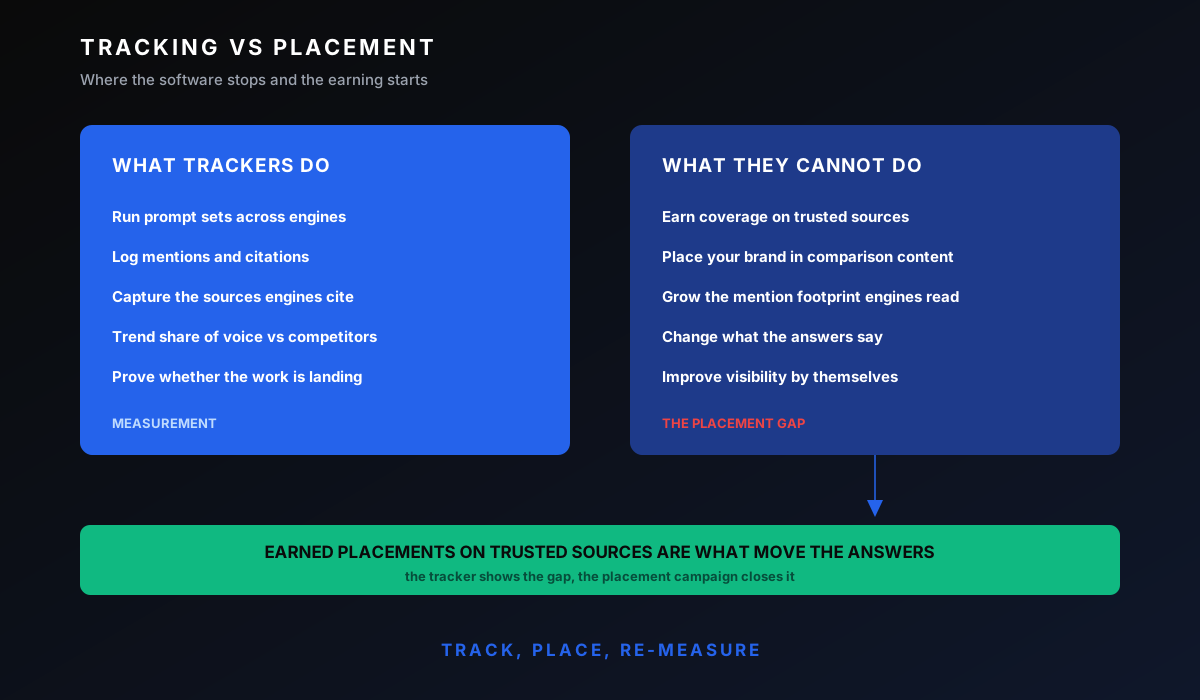
The mechanism sits outside the software. AI engines name brands they have seen referenced often across credible third-party content, so the lever is editorial coverage, a job broken down in mentioned in AI search. The tracker's role is to prove the work is landing, engine by engine.
This is the distinction the vendor listicles skip, for understandable reasons. A tracker that shows you losing share of voice for six straight months has done its job; someone still has to go earn the mentions. That earning side is what Mojo Links' placement campaigns exist for: the tool tells you where the gap is, the campaign closes it.
Treat the two as one loop. Track, place, re-measure. The same loop underpins LLM SEO, or GEO (generative engine optimization), as a discipline, and brands that only do the first step stay exactly where they started, with better charts.
Frequently Asked Questions
What Is The Most Accurate AI Visibility Metrics Software?
No audited accuracy benchmark exists for this category yet. Profound and Peec AI sample the most prompts across the most engines, which is the closest working proxy for accuracy: a tracker running 15 prompts on one engine cannot represent your real footprint.
Do Free AI Visibility Checkers Work?
Yes, as a snapshot. HubSpot's AI Search Grader and Semrush's free checker show whether AI engines recognize your brand today. They do not monitor change, track competitors, or capture cited sources, and those three functions are where the data becomes usable.
How Often Should You Track AI Brand Mentions?
Weekly prompt runs are the working cadence, rolled into a monthly report. AI answers shift faster than rankings because the AI models behind each engine retrain and retrieval sources refresh, so a quarterly check misses the movement you paid the tool to catch.
Do AI Visibility Tools Cover Google AI Overviews and AI Mode?
Most cover AI Overviews. AI Mode coverage is newer and patchier: Ahrefs Brand Radar tracks it, and other vendors are adding it through 2026. Check the engine list before buying, because Google's AI surfaces pick brands differently from ChatGPT.
Can An AI Visibility Tool Improve My Visibility by Itself?
No. A tracker shows where you stand and where competitors beat you. The visibility itself moves when credible sources name your brand more often, which is placement and digital PR work, not software configuration.

About Bart Magera
Bart Magera is the founder of Mojo Links. Ten years across YMYL verticals (legal, medical, finance, supplements, crypto, gambling). Trained under Koray Tuğberk Gübür's Topical Authority framework. Author of two SEO books and international speaker.
Want this kind of analysis on your site?
Get a free video walkthrough within 48 hours covering technical health, backlinks, content gaps, and AI visibility.
Related posts
Keep reading on adjacent topics.
- SEO
 Bart Magera9 min read
Brand Mentions for SEO: Linked, Unlinked, and AI Citations
Most SEO budgets still treat a mention without a link as a failed pitch. That math is out of date. The same editorial naming that builds your entity in Google now decides whether AI engines name you in answers. Here is the value model behind linked, unlinked, and AI-cited mentions, and the three lanes for earning more of them.
- SEO
 Bart Magera10 min read
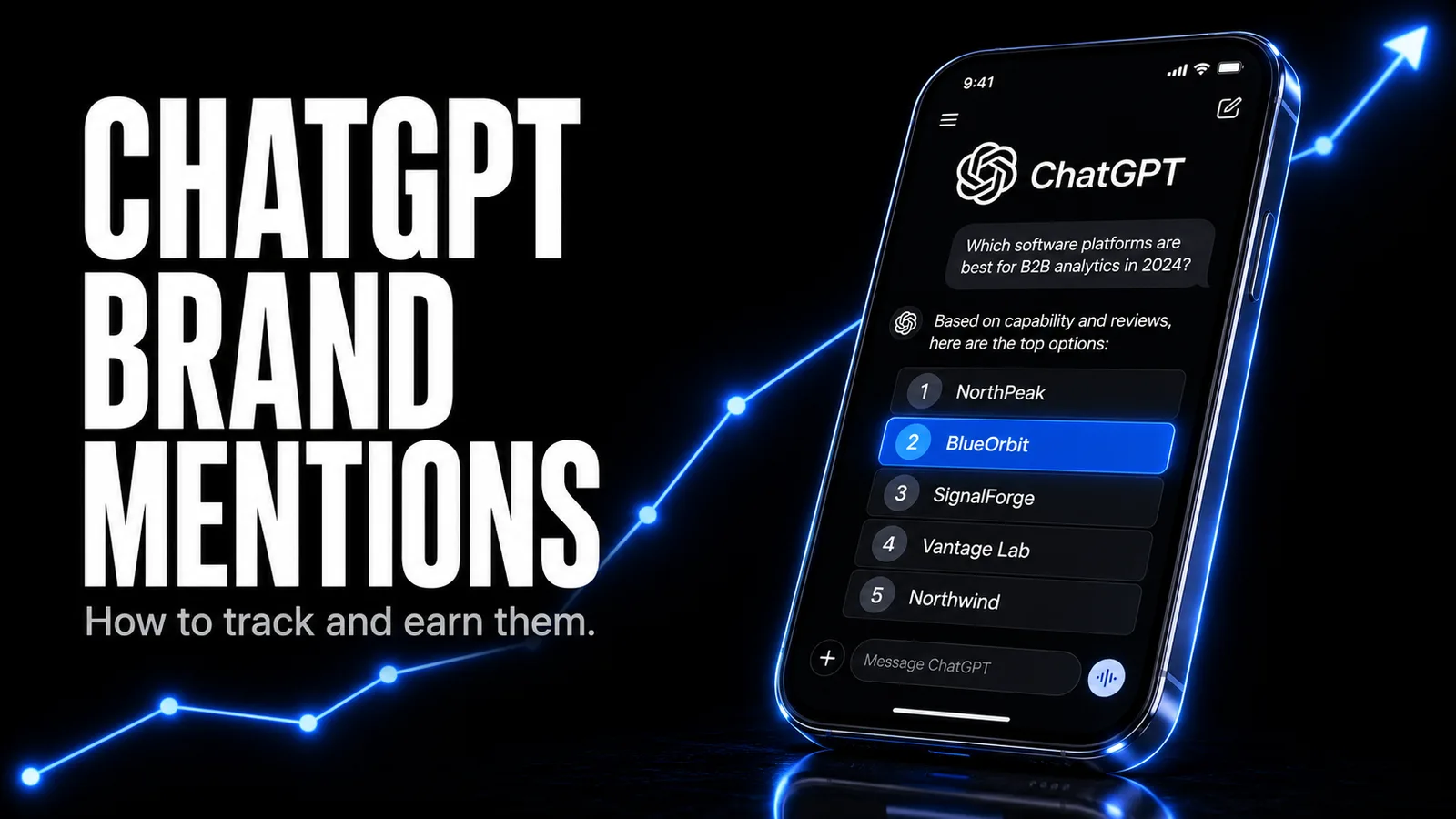
ChatGPT Brand Mentions: How To Track and Earn Them
When a buyer asks ChatGPT for the best option in a category, it names a few brands inside the answer. Those ChatGPT brand mentions, not the linked citations beneath them, are what get you recommended. Here is how to track them and how to earn them.
- SEO
 Bart Magera9 min read
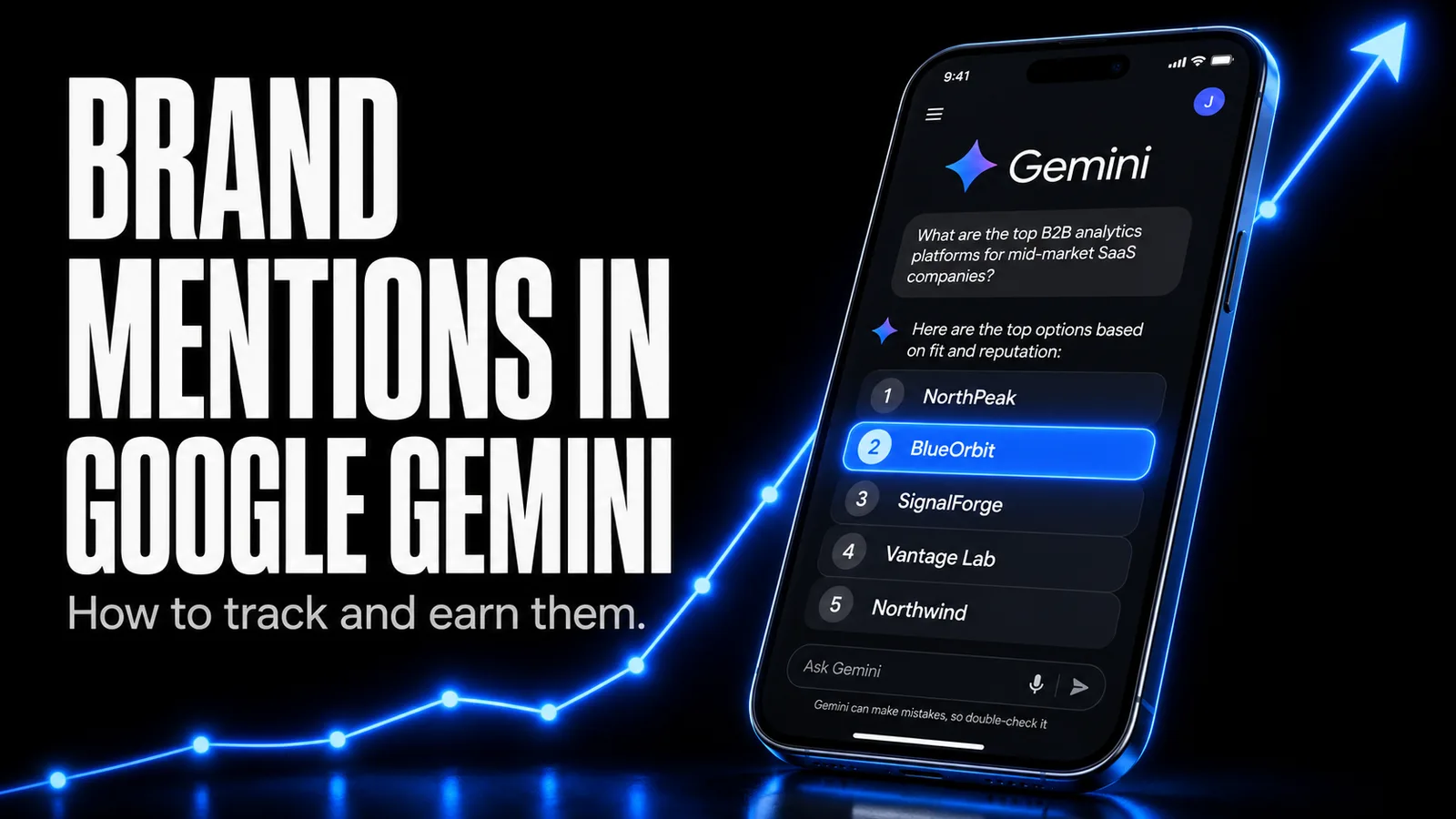
Brand Mentions in Google Gemini: How To Track and Earn Them
Google Gemini names a short list of brands inside its answers, and for many queries it picks them by grounding in live Google Search. That makes your Search reputation the lever. Here is how to track brand mentions in Gemini across all three surfaces, why your brand may be missing, and how to earn the mention.