How To Get Your Brand Mentioned in ChatGPT and AI Search
Listen to this article
Browser-native voice. No account required.
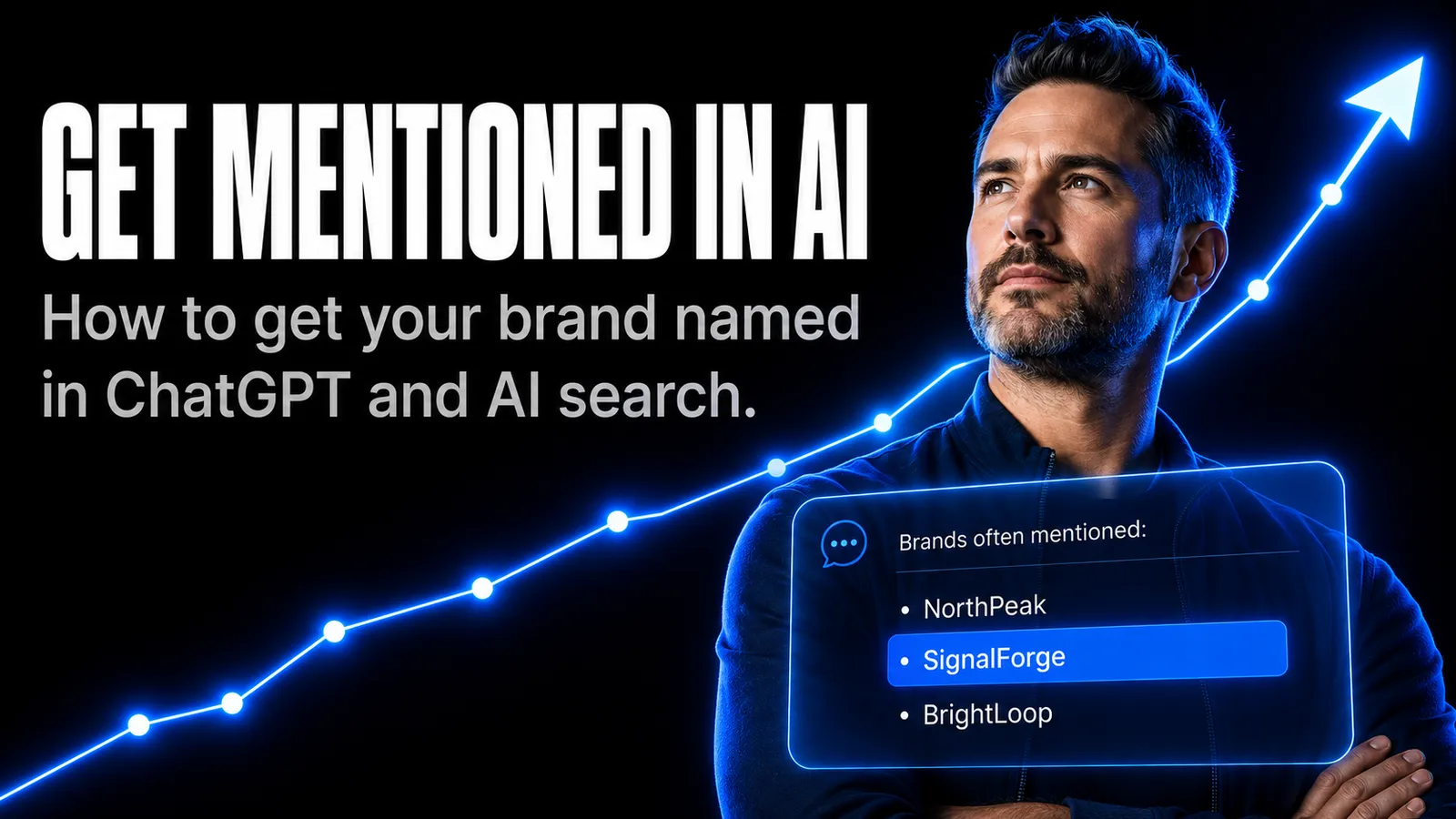
More buyers now open ChatGPT or another assistant, ask for the best option in a category, and act on the three or four names the AI search results return. If you are not one of them, you did not lose a ranking. You were never named.
Getting mentioned in AI search is not a setting you toggle or a file you upload. These wins, sometimes called AI mentions, are the result of your company being named, often, in the credible content these AI models learned from and pull answers out of. Here is how that happens across AI generated search results, and what actually moves it.
What Does It Mean To Get Mentioned in AI Search?
Getting mentioned in AI search means an AI assistant like ChatGPT, Perplexity, or Google AI Overviews names your company inside a generated answer. The mention can be explicit, naming you directly, or implicit, describing your product in identifying terms. Either way, you appear in the AI search results at the moment a buyer is deciding.
The unit that matters is the brand as an entity, not the URL. Classic search ranks a result among ten blue results; AI search names a brand inside the answer and synthesizes the rest. A mention can carry a link or none at all, and the unlinked ones still count, because AI systems read the words around your name, not just the hyperlink.
This is what people mean by an AI brand mention: your company named inside a generated answer, with or without a link. There are four shapes of it, depending on whether you are named outright or merely described, and linked or not, and they are not equal.
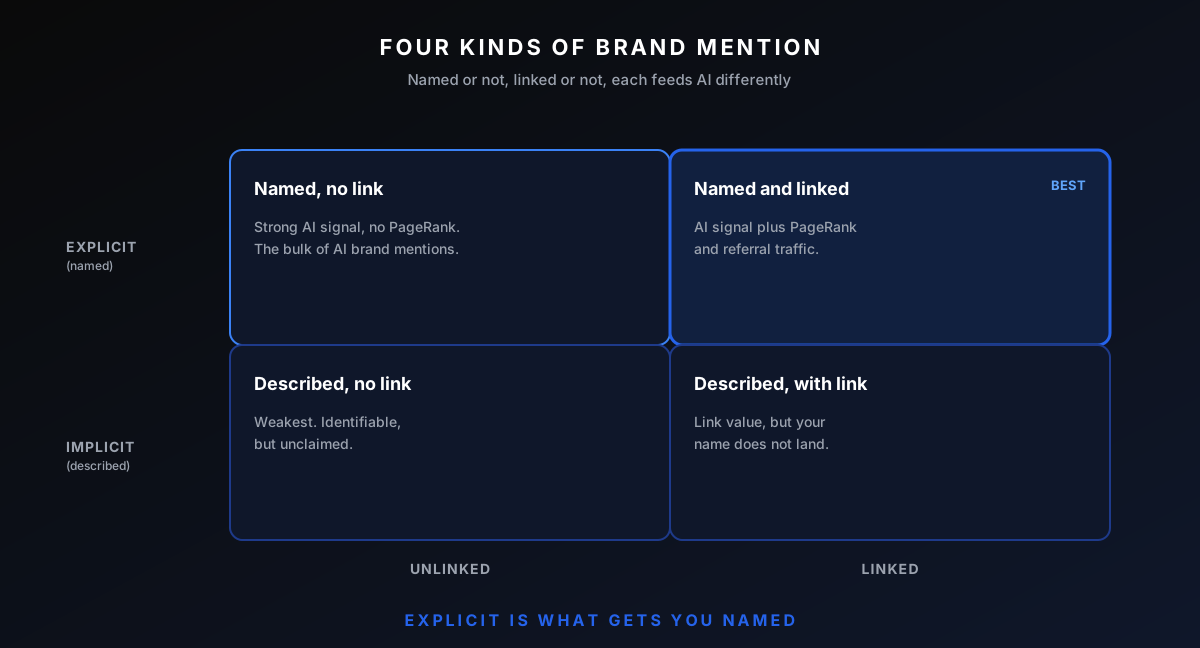
That shift, from the page to the entity, is the core of LLM SEO. The full definition, explicit versus implicit and mentions versus citations, is covered in AI brand mentions explained.
Why Can't You Optimize Your Own Site into The Answer?
You cannot optimize your own site into an AI generated answer because the AI model is not reading your homepage when it responds. It is recalling what the wider web says about you. On-site work makes a website eligible to rank in traditional search; getting named in the AI answer depends on third-party coverage you do not host or edit.
You probably think this is a technical job, some schema markup or an llms.txt file. It is editorial. An llms.txt file is the 2026 version of the meta keywords tag: easy to add, and ignored by the AI platforms you added it for.
On-site structure still helps once you are in the running, the same answer-first structure that wins featured snippets and feeds Google AI Overviews. It is not the part that decides whether an AI model has heard of you. That decision was made out on the web, long before the prompt.
The reverse is true too: you cannot keep a rival out of the AI search results by optimizing harder. If they are named more across the web, they win the answer, and the only counter is to be named more yourself. It is a reputation contest, settled off your site.
How Do AI Models Choose Which Brands To Cite?
AI models cite brands they have seen referenced often, on credible and topically relevant sources, across the content they trained on and retrieve from. Frequency and trust of mentions, not backlink count, are the dominant signals behind which names AI search returns.
The data is blunt about this. Ahrefs' analysis of 75,000 brands found branded web mentions correlate with AI visibility at 0.664, against 0.218 for backlinks, roughly three times stronger. Brand anchors (0.527) and brand search volume (0.392) ranked next. The top signals are all off-site.
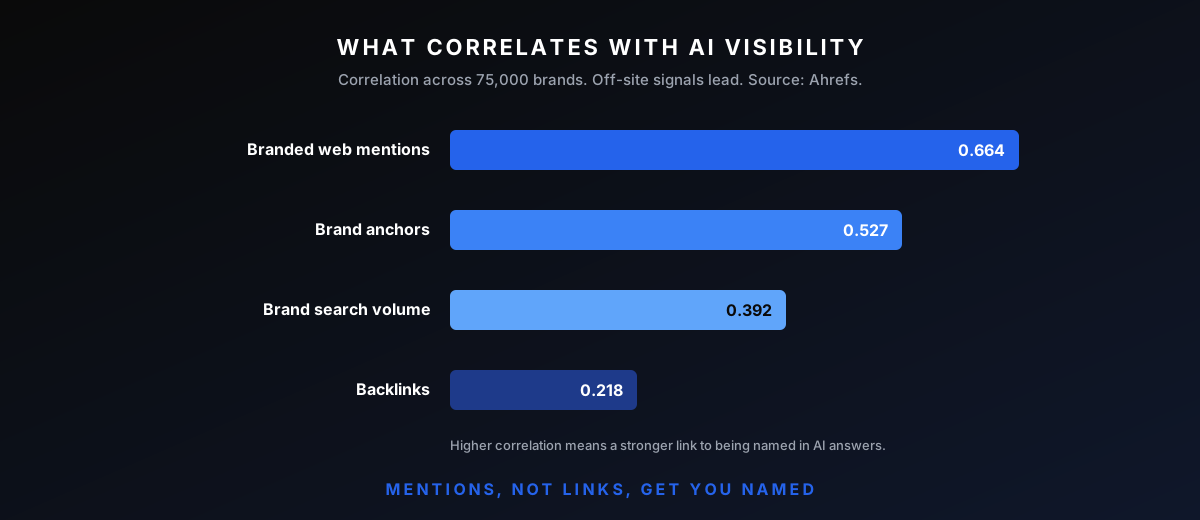
The same study put it starkly: a company in the bottom half of web mentions is essentially invisible to AI systems, no matter how clean its traditional SEO is. AI visibility starts with being talked about, and only then does the rest of your SEO get to matter.
So the question stops being how to optimize a page and becomes how to get named across the publishers these AI systems trust. That is a different job from traditional SEO, and most of it happens off your own website.
Read operationally it is almost freeing. You are not gaming an opaque algorithm; you are building what good PR and marketing always built, a brand the right sources keep naming, which AI search now reads back to your buyer as a direct recommendation.
Where Do AI Assistants Pull Brand Mentions From?
AI assistants pull these mentions from the open web they trained on and retrieve from: editorial and news, Reddit and forums, YouTube and video, plus reference sites, industry blogs, and social media in your space. No single source carries it; breadth across credible platforms is what teaches an AI model your brand belongs in the answer.
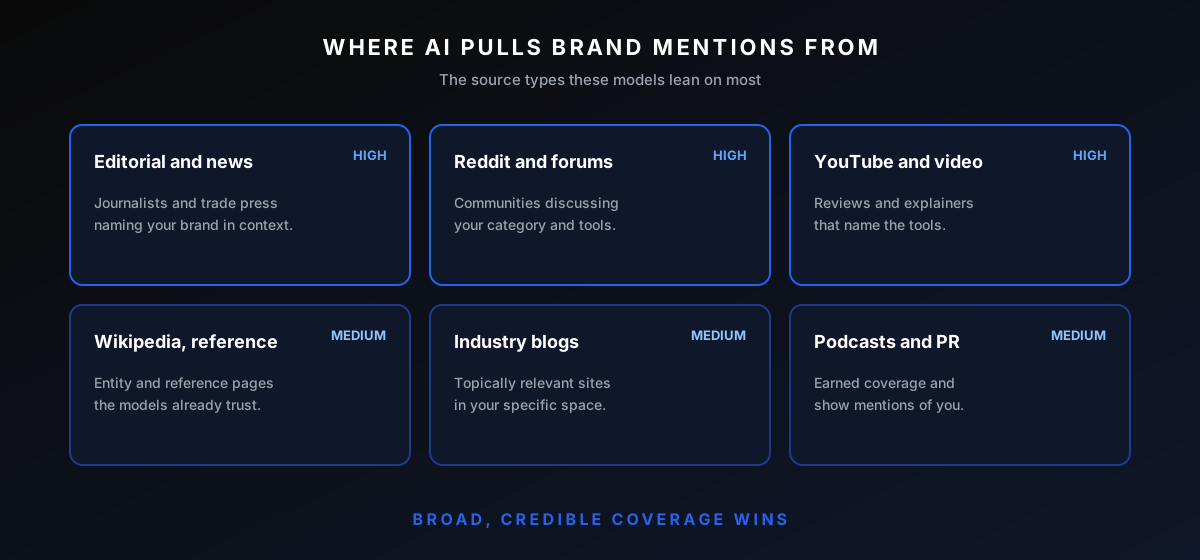
Editorial and news. Trade press and journalists naming your company in context.
Reddit and forums. Communities weighing the options in your industry.
YouTube and video. Reviews and explainers that name the tools and platforms.
Reference, industry, and social media. Wikipedia, entity pages, niche blogs, and the social platforms in your space.
That is why a one-off press hit rarely changes the AI search results. An AI brand mention sticks when the same company turns up across several of these platforms, in relevant context, often enough that the AI model treats it as a fixture of the industry rather than a stray reference.
How Do You Earn Mentions on The Sources AI Trusts?
You earn mentions by getting named in genuine editorial on vetted, topically aligned publishers, then reinforced on the platforms AI leans on most: established media, reference sites, Reddit, YouTube, and social media. The work is digital PR and placement, not a setting you switch on.
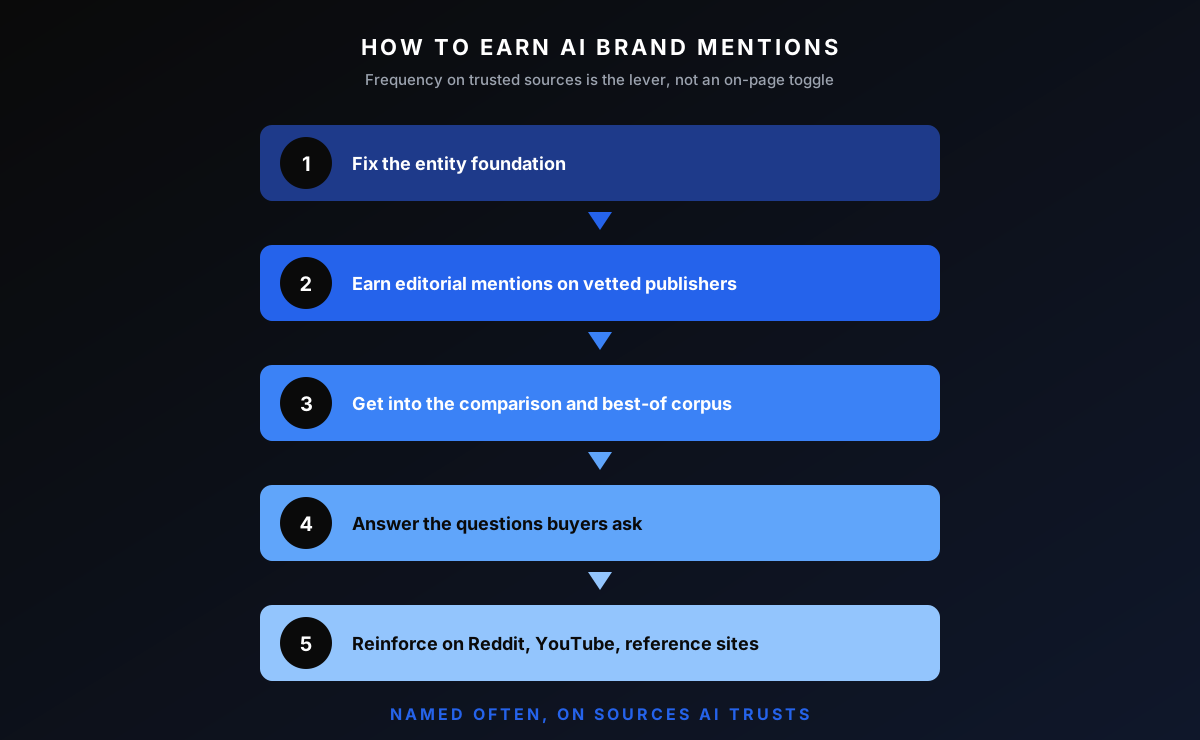
Fix the entity foundation first. A consistent name, a clear site, and aligned profiles so an AI model can resolve who you are and what you sell.
Earn editorial mentions on credible publishers. Real coverage on topically aligned pages, organized by domain strength, is the bulk of the work.
Get into the comparison content. Best-of lists, alternatives pages, and roundups are the exact content AI search engines quote for buyer queries.
Answer the common questions buyers ask. Cover the real searches in clear, structured content so an AI model can lift a line that names you.
Reinforce on high-signal platforms. A Reddit thread, a YouTube review, or a reference-page entry compounds the same signal.
Notice what is missing: tricks. The mentions do not have to carry a link to count, which is why unlinked brand mentions became a direct visibility lever. The AI model reads the sentence your name sits in, link or not.
In a real campaign the order matters. Fix the entity foundation before chasing coverage, or the mentions land on a company the AI model cannot resolve. Then weight the publishers by domain strength, so the profile you build is one the AI platforms, and traditional search engines, actually respect.
What Content Gets Cited in AI Search?
The content that gets cited in AI search is clear, well-structured, and easy to extract. AI systems lift a self-contained line that answers the query, so pages that provide a direct answer up top, with structured content and supporting information, are the ones that earn citations.
Credibility decides the rest. AI models favor information from trusted sources with visible expertise and authority, the same signals that win traditional search: named authors, cited data, and a brand the web vouches for. Thin pages with no track record rarely get cited in AI generated responses.
Technical basics are table stakes. Schema markup and clean, crawlable sites help AI systems and search engines understand your content, though no markup forces a citation. Treat structured content and clear information as the floor, not a shortcut to AI visibility.
How Is AI Powered Search Different from Traditional Search?
AI powered search is changing how people find companies online. Instead of scanning ten links, users read an AI generated answer, so traditional search optimization alone no longer guarantees traffic. If you're optimizing only for classic search engines, you're missing the AI driven layer sitting on top of them.
The shift is largely zero click. Google's AI Overviews and similar AI responses answer common questions in place, so fewer searches send a click to your website. The counter is not more keywords; it is becoming one of the trusted sources the AI platforms name, which keeps you visible even when the click does not happen.
Practically, that means two tracks of optimization. Keep the traditional SEO that earns rankings and traffic, and add the off-site work that wins AI generated search results. The information an AI model trusts comes from clear, credible coverage across the web, not from tags on your own pages.
Tracking tools for this are emerging, but no single set of tools tells the whole story, and the tools you find online vary widely. The key is to provide AI search engines with clear, well-sourced information, then check the queries your buyers actually type. You can do a lot of this without paid tools.
The key to AI powered visibility is consistency, and that consistency is itself a key signal. The signals an AI engine trusts are built online, over months, across many sources, so AI powered and AI driven search rewards the same trusted sources again and again. AI driven answers and AI responses both favor companies that show up widely, and zero click results only raise the stakes for the strategy and the tools you choose.
How Long Until AI Picks Them Up?
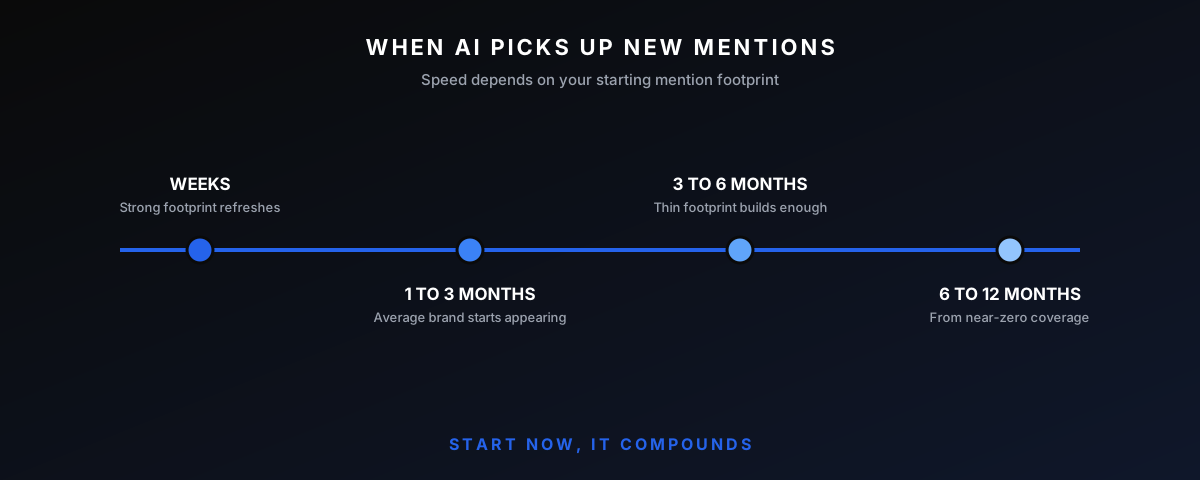
It depends on your starting mention footprint and how often the AI platforms refresh their data. A company with thin third-party content needs months of accumulated mentions before it shows up in the AI search results; one already referenced widely can surface within weeks once new content is crawled.
Roughly, expect movement on this curve. A brand with a strong existing footprint can see new mentions reflected within weeks of a content refresh; an average company takes one to three months; a brand starting from almost no third-party coverage is looking at six to twelve months of steady work before AI search reliably names it.
Mojo Links built its placement process because brands kept asking why a rival with a worse website kept getting named in ChatGPT. The answer was almost always the mention footprint, quietly built up over a year before anyone noticed it.
There is a compounding case for starting now even at low volume. The companies cited in AI answers are ones the AI models already learned from, and that footprint takes time to lay down. The honest way to know where you stand is to track brand mentions across the AI platforms and watch the gap close as the coverage builds.
What Does Not Get You Mentioned in AI Search?
What does not work is the list of shortcuts being sold hardest: an llms.txt file, schema markup aimed only at the AI model, keyword-stuffed pages, and cheap PBN or link-farm placements. None of them creates the one thing that matters, a credible company named across the publishers an AI engine trusts.
Buying a pile of low-quality links is the most expensive version of this mistake. The AI platforms that assemble answers discount junk networks, so the money buys nothing that lasts, and in Google's eyes it can do harm. AI visibility is earned in real editorial or not at all.
Chasing a single engine is the quieter mistake. A company that games its way into one assistant and ignores the rest still misses most of the AI search market, because each platform leans on a different slice of the web.
Can You Pay To Get Mentioned in AI Answers?
You cannot buy an ad slot inside an organic AI answer, so no, you cannot pay an engine to name you in the AI search results. What you can pay for is the editorial placement that earns the mention: getting your company named, in context, across the vetted publishers these AI models trust.
That is the whole idea behind AI brand mention placement, run as a done-for-you campaign and organized by domain rating so you control the authority profile you build. No PBNs, no link farms, because the engines that matter discount the junk. Trackers show you are missing from the answer. Placement gets you into it.
If you are not sure where you stand yet, start with the read. A free growth audit includes a pass on your current AI visibility and the mention gaps holding it back, so you spend on the placements that move you rather than the ones that look busy.
Frequently Asked Questions
How Do I Get My Brand Mentioned in ChatGPT?
Get your brand named in credible, topically relevant third-party content that ChatGPT draws on. The model surfaces brands referenced often across trusted publishers, so consistent editorial coverage, not an on-page setting, is what gets you mentioned.
Do Backlinks Help You Get Mentioned in AI Search?
They help, but mentions matter more. Ahrefs' study of 75,000 brands found web mentions correlate with AI visibility at 0.664 versus 0.218 for backlinks. A mention without a link still teaches the model that your brand belongs in the answer.
How Long Does It Take To Get Mentioned in AI Search?
It depends on your starting mention footprint. A brand with thin third-party coverage needs months of accumulated mentions; a brand already referenced widely can appear within weeks once the corpus refreshes.
Can You Pay ChatGPT or Perplexity To Mention Your Brand?
Not directly. There is no ad slot inside an organic AI answer. You earn the mention by being named across the editorial sources the model trusts, which is exactly what a placement campaign builds.
How Do I Check Whether AI Assistants Mention My Brand?
Run the questions your buyers ask across ChatGPT, Perplexity, and Gemini on a schedule and record when you appear. There is no Search Console for AI answers, so prompt-testing is the reliable method.
What Is An AI Brand Mention?
An AI brand mention is your brand named inside a generated AI answer, from ChatGPT, Perplexity, Gemini, or Google AI Overviews. It can be explicit or implicit, linked or unlinked, and it is how brands get discovered in AI search.
Does An AI Brand Mention Need a Backlink?
No. The model reads the words around your brand name, so an unlinked mention still builds AI visibility. A link adds PageRank and referral traffic on top, but the naming is what gets you into the answer.
What Is AI Search?
AI search is any search experience where an AI model answers the query directly, naming sources and brands, instead of returning a list of links. It spans ChatGPT, Perplexity, Gemini, and Google AI Overviews, and it is increasingly where buyers start.
What Is AI Brand Visibility?
AI brand visibility is how often and how prominently AI search names your company in its generated responses. It is the AI-era version of ranking: the more the AI platforms cite you, the more buyers discover you in the answer.
How Is AI Visibility Different from Traditional SEO?
Traditional SEO optimizes pages to rank in search results; AI visibility gets a brand named inside AI generated answers. They share the same foundation of authority and trust, but AI search weights off-site mentions far more than traditional SEO does.
Work with Mojo Links
Getting named in AI search rewards the brands that are talked about across the sources these models trust, which is the work we run for clients. We earn your brand genuine editorial mentions on vetted publishers, scoped by domain rating, so you build an authority profile that survives a Google update and teaches the engines to cite you. The AI Brand Mentions packages lay out the spread by domain strength.
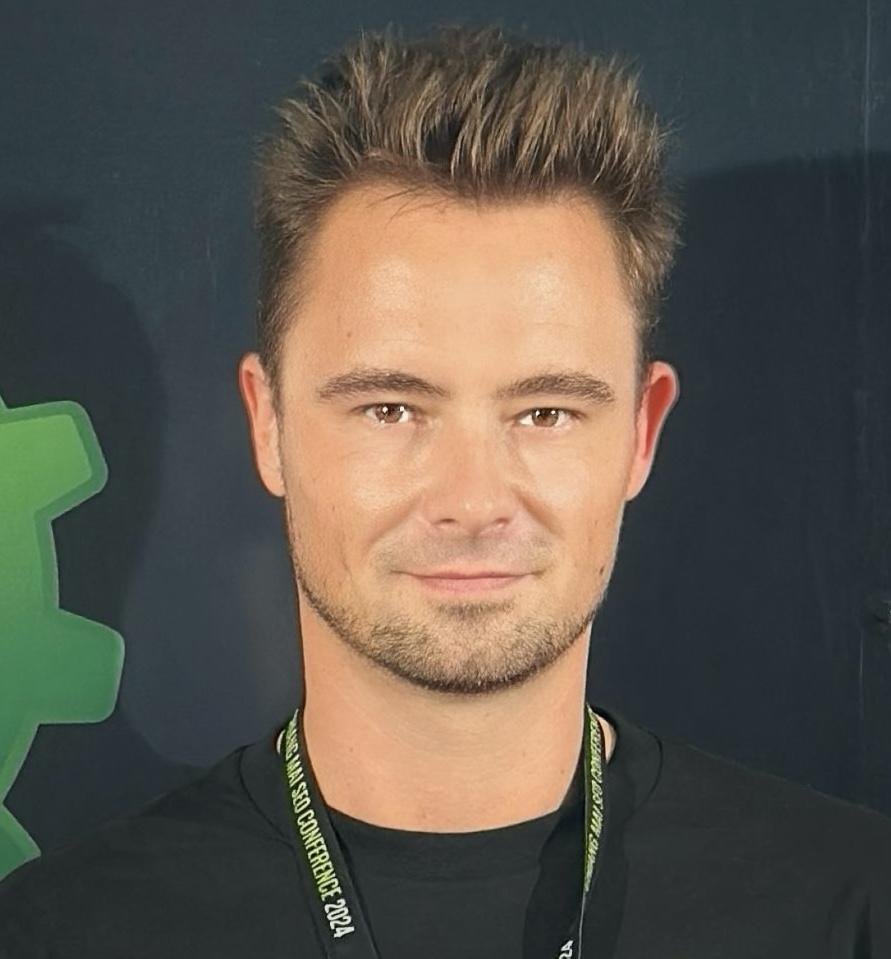
About Bart Magera
Bart Magera is the founder of Mojo Links. Ten years across YMYL verticals (legal, medical, finance, supplements, crypto, gambling). Trained under Koray Tuğberk Gübür's Topical Authority framework. Author of two SEO books and international speaker.
Want this kind of analysis on your site?
Get a free video walkthrough within 48 hours covering technical health, backlinks, content gaps, and AI visibility.
Related posts
Keep reading on adjacent topics.
- SEO
 Bart Magera9 min read
Brand Mentions for SEO: Linked, Unlinked, and AI Citations
Most SEO budgets still treat a mention without a link as a failed pitch. That math is out of date. The same editorial naming that builds your entity in Google now decides whether AI engines name you in answers. Here is the value model behind linked, unlinked, and AI-cited mentions, and the three lanes for earning more of them.
- SEO
 Bart Magera12 min read
AI Visibility Tools: 9 Trackers Ranked and Compared
Nine AI visibility tools, one yardstick: engines covered, what gets measured, competitor tracking, and price. Every page-one comparison of these trackers is written by a vendor ranking its own product first. This one is not. Here is where each tool fits, from a $29 entry plan to enterprise quotes, and the one thing none of them can do.
- SEO
 Bart Magera10 min read
ChatGPT Brand Mentions: How To Track and Earn Them
When a buyer asks ChatGPT for the best option in a category, it names a few brands inside the answer. Those ChatGPT brand mentions, not the linked citations beneath them, are what get you recommended. Here is how to track them and how to earn them.