

Guest Posts vs Niche Edits: Which Link Building Strategy Wins in 2026?
Listen to this article
Browser-native voice. No account required.
If you're buying backlinks in 2026, you're choosing between two weapons: guest posts vs niche edits.
One means writing articles and begging webmasters. The other means paying to sneak a link into someone else's blog post. Both work. Both fail. Depends how you use them.
This guide cuts the crap.
You'll learn which strategy drives rankings, which one burns sites, and how to build quality links that actually increase traffic.
If you're still unclear on what counts as a clean link, read the breakdown of white hat link building tactics.
What Are Guest Posts and Niche Edits?
Guest Posting Explained
Guest posting is a link building strategy where website owners pretend they’re giving value to the internet, when in reality they’re buying backlinks with extra steps.
Here’s how it works. You create informative and engaging content, pretend it’s for the host site’s audience, and shove your backlink in the middle. If the blog looks decent and gets indexed before 2030, you’re in luck.
You get full control over content creation, anchor text, and link placement. That means you can sculpt the link exactly how Google likes it until they don’t.
Guest post links work because they sit inside fresh content on high authority sites. Done right, they build brand authority, send referral traffic, and improve your website’s SEO performance over time.
Done wrong? You just paid $300 to be on a site with 90% casino anchors and 10 readers a month. One of them is a bot.
Result? Your search engine rankings destroyed.
If you don’t want to pitch lifestyle bloggers for six weeks, Mojo Links runs guest post campaigns that don’t suck.
Niche Edits Explained
Niche edits are what happen when you skip the writing and pay a site owner to slap your link into an existing article. Also known as link insertions or contextual edits.
No content creation. No new article Just a link, dropped into a page that may or may not be relevant. If the article is solid and the link looks natural, you win.
This tactic leverages existing content to pass link equity fast. You don’t wait for indexing. You ride whatever authority that page already has. That’s the upside.
The downside? You lose control over context. The link could end up jammed between off-topic fluff and outdated product reviews. If the site is a PBN, congrats. You just paid to hurt your rankings.
Niche edit links can work. But only if they’re placed inside real articles on authoritative sites. That’s what Mojo Links delivers. No recycled junk. No domain graveyards.
How These Link Building Strategies Impact SEO
Effects on Your Website’s SEO Performance
Guest posts support sustained SEO benefits through content creation. You’re publishing new content on high authority websites with your link placed inside relevant paragraphs. This gives search engines fresh material to crawl and clean contextual signals tied to your backlink. It tells them your site matters.
Niche edits offer quick gains. You insert your link into articles that are already indexed. No writing. No delays. If the page is strong and your link fits the context, you get faster link equity. But it comes with risk. One spammy edit in a low-quality blog post, and your backlink becomes a liability.
Guest posting builds slow, safe power. Niche edits hit fast, but they can blow up in your face if you’re lazy.
Domain Authority and Rankings
Both tactics influence domain authority, but neither guarantees it. Guest posts improve domain signals gradually. Your link lives in new, topic-relevant content. This helps build authority across your backlink profile.
Niche edits affect rankings faster when the host page is already performing. You ride the existing authority straight to your target page. That’s the upside.
But search engines don’t trust shortcuts. If you abuse niche edits with off-topic anchors, irrelevant domains, or spammed blog posts, expect devaluation. Algorithms detect patterns. They know when you’re trying to game it.
Guest posts are better for long-term trust. Niche edits work for fast results when placements are clean.
Referral Traffic and Link Equity
Guest post links can bring real referral traffic if published on active blogs with real readers. You’re not just getting SEO value, you’re borrowing the audience from the host site. That helps with brand authority and conversion paths.
Niche edit links pass link equity from aged pages, but don’t expect traffic. These links live inside content that’s already been consumed. You’re getting the juice, not the visitors.
If you want long-term traffic and search visibility, use both. Just make sure your placements don’t scream paid backlink.
Pros and Cons of Guest Posting
Guest posting is what every white hat SEO points to when justifying a backlink. But is it worth it?
Here’s the breakdown, no fluff:
Guest posting gives you all the control you need. You write the content, you place the link, and you shape the context. That’s the main advantage. You’re not hoping your backlink fits - you’re designing the page around it.
This also means you get cleaner anchor text, better indexing, and a stronger shot at sending real referral traffic.
But guest posting takes time. You need to find relevant websites, pitch them, write something decent, and wait for approval. Many website owners don’t even respond. Some want cash up front. Others just vanish.
Still, if your goal is building trust using quality backlinks, guest posts are the safer long-term play. You’re creating value, not hijacking someone else’s content.
Pros and Cons of Niche Edits
Niche edits are fast, dirty, and effective. You skip the writing. You skip the waiting. You drop a backlink into someone else’s existing content and hope it sticks.
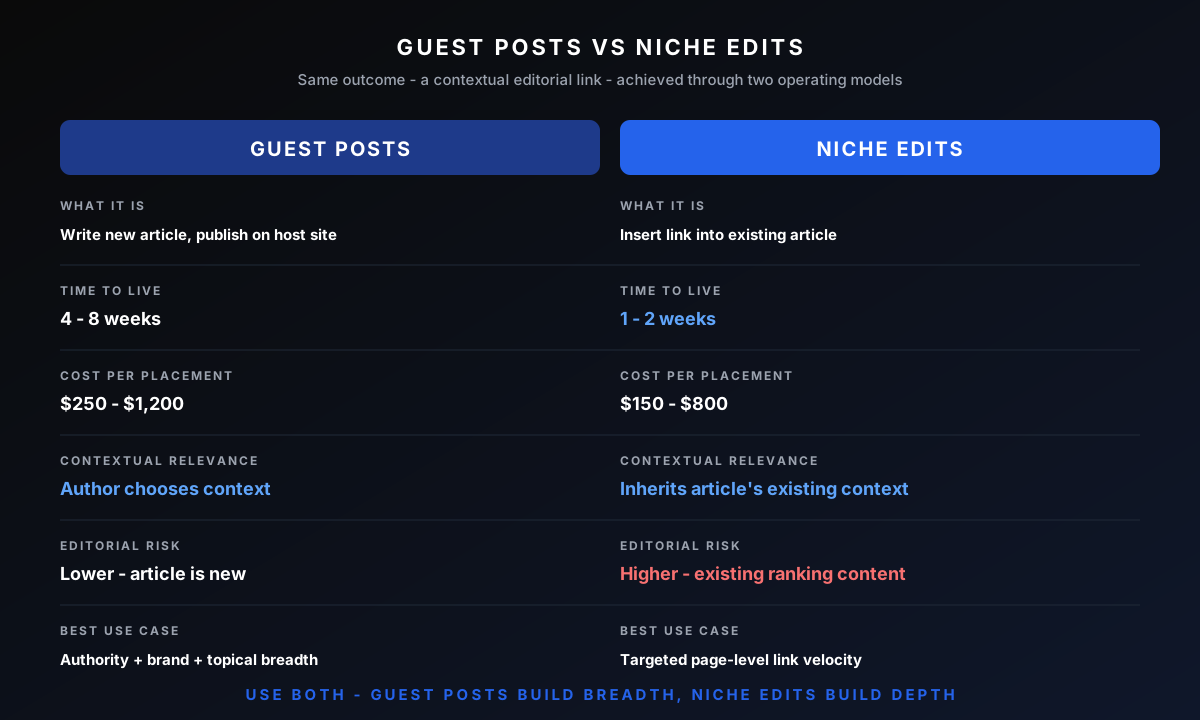
Here’s the tradeoff:
Niche edits focus on speed. You’re placing links into aged content that’s already indexed. If the page has traffic and the edit fits the context, it can push rankings fast.
But you don’t get full control. You don’t shape the surrounding content. You trust the host website not to remove the link or sell placements to payday loan affiliates the next week.
If the page is irrelevant or overloaded with outbound links, your niche edit link becomes useless. Worse, it can hurt your search engine rankings if it looks unnatural.
That’s why the niche edits are placed manually on authoritative sites with clean backlink profiles. No auto-placements. No expired blog networks pretending to be real publishers.
How To Find Guest Post and Niche Edit Opportunities
Finding Guest Post Opportunities
Guest posting only works if you land placements on relevant websites with authority. Pitching to random lifestyle blogs that accept any guest post is pointless. You need sites that pass value. Before you pitch, a free bulk DR check screens a whole list of candidate blogs by Domain Rating at once, so the obviously weak hosts drop out before you spend an outreach slot on them.
Start with Google Search Console. Look at the backlinks pointing to competitors, then map out which websites accept contributors. Tools like Ahrefs or Pitchbox make it easier to spot footprints such as “write for us” pages or authors with repeat placements.
The key is quality websites. A guest post link on a real industry blog will improve search engine rankings, the kind of editorial signal that feeds Google's ranking systems. A link on a dead site that exists only to sell placements will be ignored. Website owners who guard their content tightly usually run the sites worth targeting.
Finding these opportunities takes time, but when you land one, you get a backlink you can trust. If you’d rather not send 100 cold pitches, the guest post campaigns handle outreach and content creation for you.
Finding Niche Edit Opportunities
Niche edits are different. Unlike guest posts, with curated links you’re looking for articles where your backlink would make sense. This means auditing content that already ranks, already has traffic, and already sits on authoritative websites.
Use Ahrefs or SEMrush to scan competitor backlinks. Look for articles with topical overlap. Then send a niche edit request to the site owner. The cleaner the context, the safer the link.
Avoid hosts that sell bulk link packages or promise instant turnaround. Those are usually PBNs disguised as blogs. A real niche edit link comes from a legitimate site with organic traffic and relevant content.
If you want clean placements without gambling on shady sellers, the niche edit service sources links only from real websites with proven authority.
Cost, Time, and Resources: What To Expect
Guest posts and niche edits both cost money, but you’re not paying for the same thing. With guest posts, you pay for content creation and publication. With niche edits, you’re paying only for placement inside existing content.
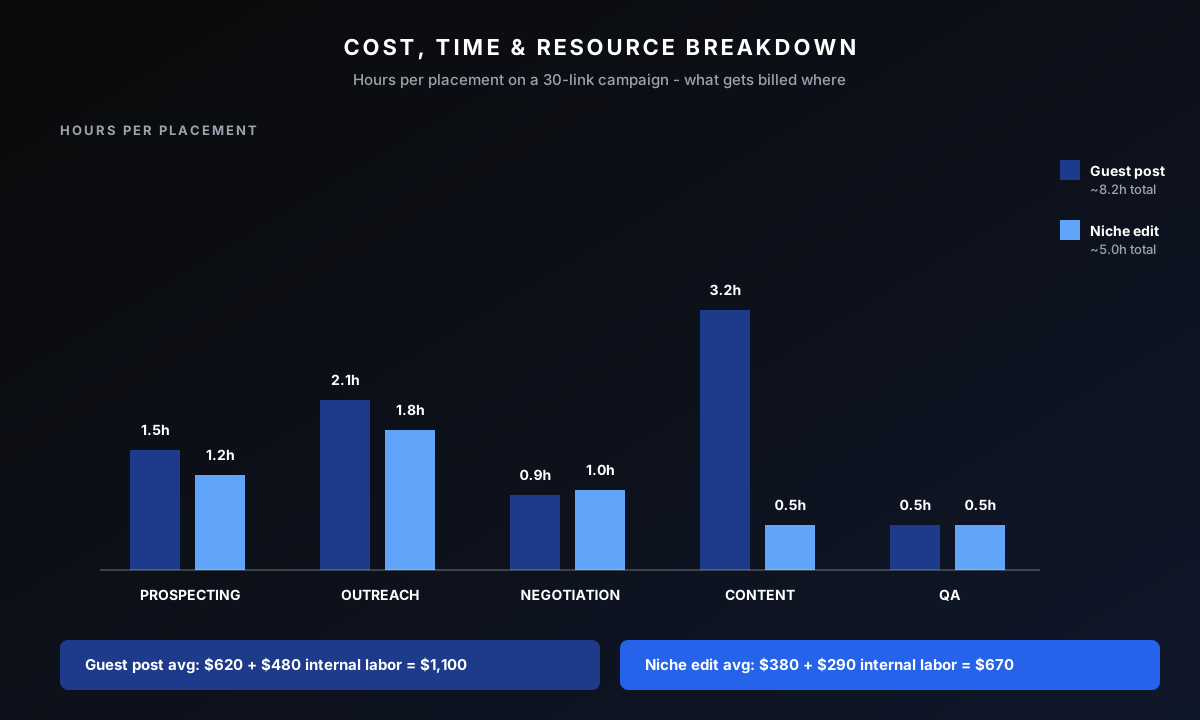
Here’s the reality:
Guest posting eats resources. You need skilled writers, experienced editors, and outreach specialists to land placements. It costs more but usually produces safer, longer-lasting links. When published on established websites, a guest post can keep driving SEO results for years.
Niche edits are leaner. No articles to write, no editors to chase. You pay a site owner to edit an existing article and place your backlink. Links appear faster and cost less. The tradeoff is control. You don’t own the content, and if the host decides to remove or update the page, your link can vanish.
The smart move is to mix both. Guest posts for stability. Niche edits for speed. That way your link building strategy pays off now and later.
For campaigns that balance both, check the link building services and stop guessing which tactic will stick.
Measuring Success of Your Link Building Efforts
Paying for backlinks without tracking results is like lighting cash on fire and hoping Google notices. You need to measure impact, not guess.
Guest post links should deliver steady improvements to search engine rankings and traffic over time. Because the article is new, it may take weeks for results to show. But if the host site has strong authority, those gains compound.
Niche edit links work faster. The page is already indexed and aged, so link equity flows quickly. But the downside is volatility. If the host updates or removes the article, your backlink disappears. If the anchor text looks forced, your website’s SEO performance takes a hit.
Use GSC to confirm backlinks are indexed and passing signals. Pair it with Ahrefs or SEMrush to track your website’s backlink profile and keyword movement. If referral traffic never shows up, the host site has no audience, and the backlink is just dead weight.
Clean campaigns don’t just count links. They measure rankings, traffic, and authority shifts. That’s how you know whether you bought quality backlinks or expensive placeholders.
For teams that want full monitoring, the manual link building service includes tracking and reporting so you can see what’s working and what’s wasting money.
Which One Is Better for Your Link Building Strategy?
Guest posts and niche edits are not enemies. They’re tools. The mistake is picking one and ignoring the other. The smart move is knowing when to use each.
Use Guest Posts If You Want
Creating quality content for long-term brand exposure
Building relationships with website owners through contributing high quality content
More control over anchor text, link placement, and surrounding context
Stronger brand authority and trust signals for
Guest posting takes longer and costs more, but it delivers backlinks that age well. A high quality guest post on a high authority website can keep passing value for years.
Use Niche Edits If You Want
Faster backlinks without waiting on content creation
Access to existing blog posts that already rank and get traffic
Lower cost links that still improve search engine rankings
Quicker results when your campaign needs momentum
Niche edits focus on speed. You insert links into relevant articles, and you get results faster. The risk is losing control. If the host website changes or deletes the article, your link is gone.
Use Both in a Balanced SEO Strategy
The best link building strategy mixes both tactics. Guest posts provide stability and authority. Niche edits provide speed and short-term ranking boosts. Combined, they strengthen your website’s domain authority, diversify your backlink profile, and keep your SEO efforts from looking unnatural.
A one-dimensional link profile signals manipulation. A diverse backlink profile with guest posts and niche edit links signals trust.
Mojo Links builds link building campaigns that use both approaches. That means stable growth from guest posts and faster results from niche edits, without the risk of footprints.
Common Mistakes To Avoid
Most websites fail at link building not because the tactics don’t work, but because the execution is sloppy. Guest posts and niche edits both carry landmines. Step on them and your rankings collapse.
Guest posting mistakes usually involve content creation. Website owners try to cut corners with AI writing or irrelevant articles. The result is low-quality content that search engines ignore. Publishing guest posts on spammy sites pretending to be high authority websites is just as bad. If the blog has no audience, the backlink has no impact.
Niche edit mistakes come from bad sourcing. If you buy niche edit links from PBNs or expired domains, you’re stacking garbage in your backlink profile. Search engines catch this, and your rankings pay the price. Even if the page has authority, a forced anchor text or unnatural placement will eventually backfire.
Avoid shortcuts. Quality backlinks come from relevant websites with real traffic. Whether you choose guest posts or niche edits, the goal is the same: send signal search engines trust.
If you already bought junk and need help cleaning it up, check the bad backlink removal service.
Conclusion: Guest Posts or Niche Edits?
Guest posts vs niche edits - both are effective link building strategies, but they serve different purposes. Guest posting builds brand authority, delivers quality backlinks, and creates long-term trust. Niche edits focus on speed, lower cost, and quick ranking gains by leveraging existing content.
If your budget is tight and you need immediate results, niche edits make sense. If your goal is authority, branding, and referral traffic, guest posts are the right play. The smartest approach is using both. Guest posts give you stable growth while niche edit links push fast wins. Together, they improve your website’s SEO performance without leaving footprints.
Your link building strategy should never rely on a single tactic. A diverse backlink profile is what search engines favor. Too many links from one method looks unnatural. Mixing guest post links with contextual niche edits shows variety and signals trust.
At Mojo Links, we build managed campaigns that combine both strategies. That means you don’t waste money on links that get ignored or penalized. You get placements on real sites that pass value, improve rankings, and actually drive traffic.
Picking between guest posts and niche edits is one tactic decision inside a larger program. For the end-to-end program this fits into, see our end-to-end link building process.
FAQs
Do Search Engines Penalize Niche Edit Links?
Yes, if they look unnatural. Search engines don’t care if you pay for links. They care about patterns. If your backlink profile is stuffed with niche edit links on irrelevant articles or expired domains, you risk devaluation or penalties. Clean, contextual niche edits on real websites are safe. Junk links are not.
How Can I Find Guest Post Opportunities?
Start by analyzing competitor backlinks. Tools like Ahrefs or SEMrush show which websites publish content in your niche. Google Search Console also reveals domains linking to competitors. Once you spot relevant websites, pitch high quality content that fits their audience. Or skip the grind and let us handle outreach with the guest post service.
What's Better for Brand Authority - Guest Blogging or Niche Edits?
Guest blogging. Niche edits pass link equity, but they don’t give you visibility or credibility. Guest posts put your name, your ideas, and your content in front of readers.
Do You Need To Make New Content for Niche Edits?
No. That’s the main appeal of niche edits. You pay a site owner to insert your backlink into an existing article. There’s no writing involved. But this also means you lose control over context, which is why niche edits should be chosen carefully.
How Do I Use Google Search Console To Track Link Performance?
GSC shows new backlinks in the Links report. It won’t tell you which ones are niche edits or guest posts, but it confirms whether your links are indexed. Pair this with a rank tracker to see if those backlinks improve your keyword positions and organic traffic.
Can I Accept Guest Posts on My Own Website?
Yes, but choose carefully. Accepting guest posts can bring in free high quality content, but it can also attract spam from link sellers. If you allow guest posts, vet every submission. Low-quality content and irrelevant backlinks damage your website’s SEO performance.
Are Niche Edits Considered White-Hat?
Not strictly. Google’s guidelines discourage buying links in any form. But in practice, clean contextual niche edit links placed on relevant sites are common and effective. The danger comes from spam sellers who offer bulk placements on networks of low-quality blogs.
What's The Safest Way To Scale Link Building?
Mix your tactics. Use guest post links for stability and niche edit links for speed. Add natural backlinks from content marketing and PR to diversify. Never rely on one source. A healthy backlink profile is what search engines favor. If you need help building one, check out the manual link building service.
Related: How many links per month is enough?

About Bart Magera
Bart Magera is the founder of Mojo Links. Ten years across YMYL verticals (legal, medical, finance, supplements, crypto, gambling). Trained under Koray Tuğberk Gübür's Topical Authority framework. Author of two SEO books and international speaker.
Want this kind of analysis on your site?
Get a free video walkthrough within 48 hours covering technical health, backlinks, content gaps, and AI visibility.
Related posts
Keep reading on adjacent topics.
- Link Building
 Bart Magera10 min read
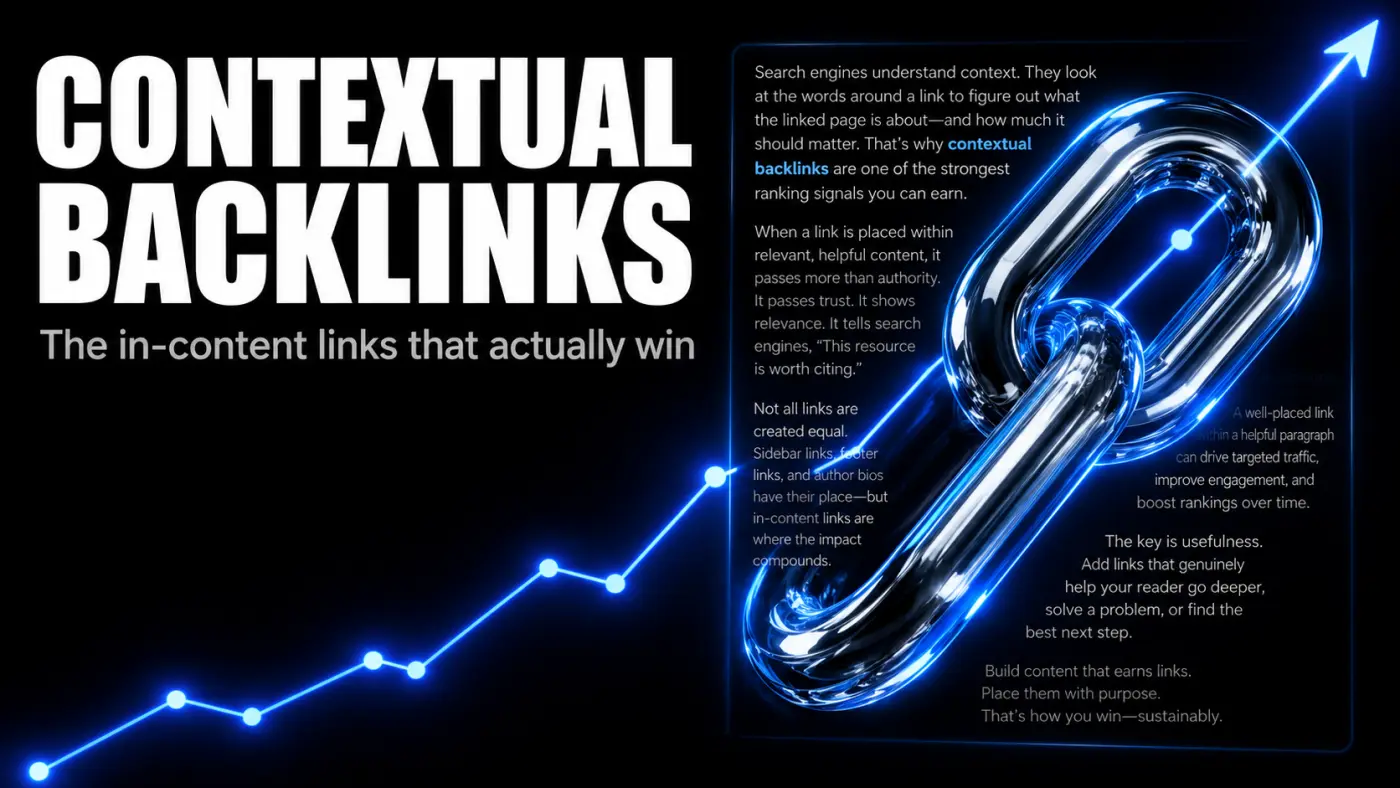
Contextual Backlinks: What They Are, Why They Win, and How To Earn Them
A contextual backlink sits inside the body of an article, surrounded by relevant text, not in a footer or author bio. That placement is what gives it weight. Here is what contextual backlinks are, what makes one high quality, how to earn them, and how to spot the cheap fakes.
- Link Building
 Bart Magera12 min read
What Is White Hat Link Building? Techniques That Work in 2026
The Problem: Why Most Link Building Fails Your SEO You wrote great content. It’s relevant. It’s useful. It even has infographics. But guess what? Crickets. Nobody’s linking. Google’s not ranking. And your “ultimate guide” is buried somewhere on page 7 under a recipe blog and a…
- Link Building
 Bart Magera10 min read
Tiered Link Building: How It Works and How To Do It Safely
Tiered link building layers weaker links behind your strongest ones to pass more authority to your money pages. Here is how the pyramid works, how to build one, which links are worth tiering, the risk SpamBrain introduced, and the lower-risk path I use on client sites.