
What Is White Hat Link Building? Techniques That Work in 2026
Listen to this article
Browser-native voice. No account required.
White hat link building is the acquisition strategy that earns backlinks through editorial value, relationships, and content quality, within Google's published Webmaster Guidelines. In 2026, white hat SEO is no longer just an ethical preference. Search engines now reward high quality links and genuinely valuable, high quality content from trusted sites and quietly devalue the rest, so Google's 2024 link spam update made editorial acquisition the only sustainable path: grey and black hat tactics lose their value automatically, often without site owners knowing why their rankings dropped.
This guide covers the white hat link building strategies Mojo Links runs in regulated and competitive verticals, which tactics still earn quality links, which ones to avoid, and how to recover a website from a grey-hat history.

What Is White Hat Link Building?
White hat link building is the practice of earning backlinks through tactics Google explicitly permits in its published rules: editorial placements, relationship-based pitching, content marketing, and brand mention reclamation. The defining characteristic is editorial discretion, because a publisher chose to link to the content as a valuable resource for readers, not because a payment, automation, or scheme produced it. A backlink is simply an inbound link from another blog or site; white hat is the approach to acquiring backlinks that search engines reward over the long term.

Three characteristics define a white hat backlink:
Editorial choice by the publisher to add the link based on content value, not financial or transactional pressure
Aligned topical context between the source website and the target page, so the backlink is useful to readers, not just to search engine crawlers
Transparent acquisition path, because if Google reviewed the placement history, the path would not violate those rules
What's The Difference Between White Hat, Grey Hat, and Black Hat Link Building?
White hat tactics stay inside Google's Webmaster Guidelines. Grey hat tactics sit in the ambiguous zone: paid posts with sponsored disclosure, niche edits with editorial relationships, and scaled sending with low personalisation. Black hat tactics violate the rules outright through PBNs, spam networks, paid link networks, link schemes, and automated comment spam. In 2026, the practical difference is no longer about manual action risk; it is about pattern-based algorithmic devaluation by the search engine itself.
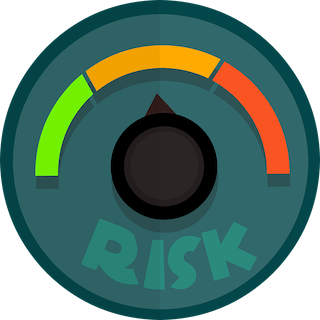
White hat tactics (low risk, compounding ROI): guest posts on real-traffic websites with editorial review, digital PR through journalist sourcing and HARO/Qwoted sourcing, brand mention reclamation, broken link replacement on relevant sites, and original research that earns editorial citations. These strategies produce quality backlinks that keep their position and ranking value.
Grey hat tactics (moderate risk, declining ROI): paid posts with sponsored disclosure, niche edits negotiated through editorial relationships, scaled outreach with limited personalisation, and link exchanges between topically-aligned websites.
Black hat tactics (high risk, algorithmic devaluation): private blog networks (PBNs), link farms, paid link networks, automated comment and forum spam, doorway pages, and anchor text over-optimization through paid networks. Search engines detect these link patterns and strip their ranking value.
Why Does White Hat Link Building Still Work in 2026?
White hat link building still works in 2026 because Google's 2024 link spam update devalues pattern-based acquisition through machine-learning detection. Automated tactics, link farms, and scaled grey-hat methods now produce backlinks that pass zero ranking signal regardless of source domain rating, so they never improve search results. Editorial backlinks, which lack the footprints that trigger detection, remain the only acquisition path that compounds into durable rankings.
Three forces strengthened white hat SEO in the 2022-2026 window:
Algorithmic pattern detection. Google no longer needs manual reviews; the search engine flags entire link networks based on shared footprints.
AI Overview citations weight editorial signals. Generative search preferentially cites content backed by high quality content from authority sites.
Email deliverability tightened, making scaled grey-hat sending economically unviable. Mass-send tools land in spam folders 60-80 percent of the time.
Which White Hat Link Building Tactics Work in 2026?
Six white hat tactics produce 90 percent of measurable backlink ROI in 2026: guest posting on real-traffic websites, niche edits with editorial agreement, digital PR through journalist sourcing, broken link replacement, unlinked brand mention reclamation, and original research that earns editorial citations. Conversion rates vary by tactic, and the right mix of link building strategies depends on niche and resource availability.
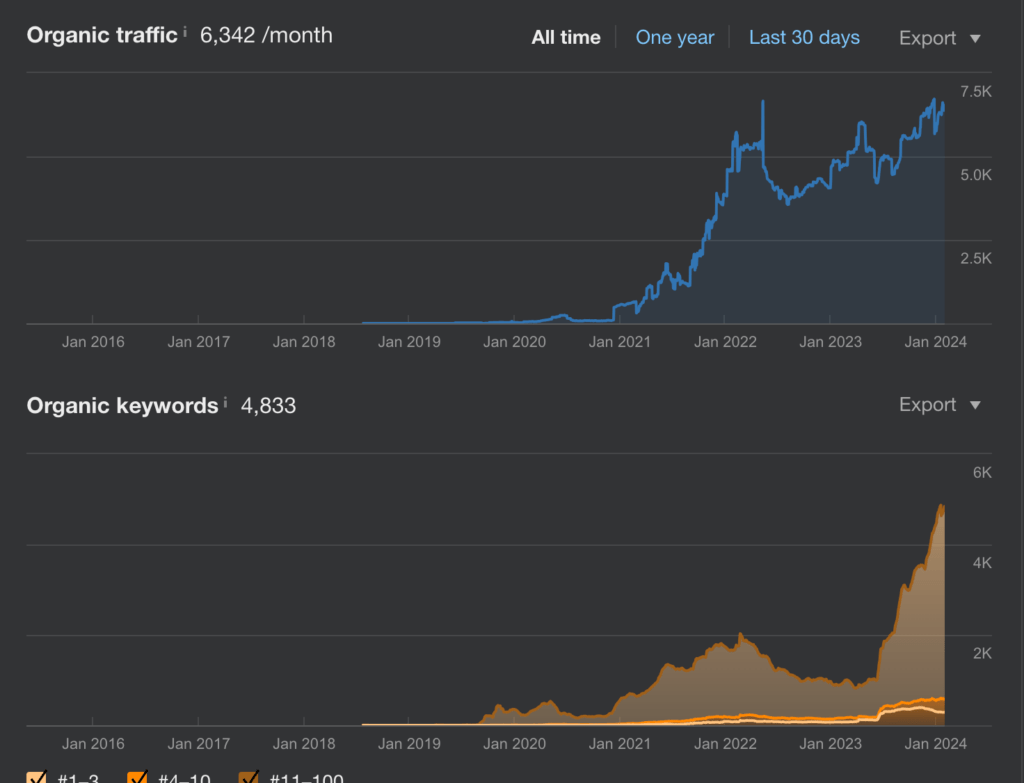
Guest posting (8-15% conversion, $200-500 placement). Full articles under your byline on third-party sites. This is the strongest tactic for branded-anchor coverage and topical authority, and every placement lands a contextual backlink on a relevant, high authority website. See the guest posts service for the placement workflow.
Niche edits (5-10% conversion, $150-400 placement). Backlinks inserted into existing indexed articles through editorial agreement. They are faster than a standalone article because the page can rank faster and the host already ranks in search results. See the niche edits service for placement specifics.
Digital PR (1-4% conversion, highest authority). Tier-1 publication backlinks through journalist sourcing, HARO/Qwoted expert sourcing, and original-research pitches. This tactic has the lowest conversion but the highest authority and placement quality, and it is best deployed with original data or unique viewpoints worth pitching.
Broken link replacement (5-12% conversion). Identify broken links on relevant sites, then pitch your page as the replacement resource. Conversion is higher than cold pitching because you are solving an editor problem. Widely used tools such as Ahrefs Broken Link Checker, Check My Links, and Screaming Frog surface the broken links to target.
Unlinked brand mention reclamation (25-40% conversion). Existing brand mentions without a hyperlink. Find them via Google Alerts, Brand24, or a manual brand search, then ask the website to add the link. This is the highest-converting tactic because the publisher already chose to mention you and simply forgot to add the link.

Original research and content marketing (compounding). Original research, proprietary data studies, and reference-quality blog content and evergreen resources earn editorial links over the long term without active outreach for each placement. The upfront cost is high (research time plus production), but the cost per backlink is the lowest of any tactic over 18-month windows because valuable resources keep earning links.
Which White Hat Tactics Get You Penalized?
No white hat tactic gets you penalized when executed cleanly. The penalties come from scaling white hat tactics with grey-hat shortcuts: scraped prospect lists, templated outreach at volume, paid placements disguised as editorial, and anchor text over-optimization. The tactic name is not the problem; the execution is what search engines flag.
Five execution patterns that turn white-hat tactics grey:
Mass-send outreach with variable substitution. It looks like personalisation, reads like a template, and triggers deliverability filters.
Paid placements without sponsored disclosure. Buying links at scale without nofollow or sponsored tags violates the guidelines.
Anchor text over-optimization. Even editorial links with 30 percent exact-match commercial anchors trigger devaluation.
Reciprocal link patterns at scale. "Link to me, I'll link to you" exchanges across multiple sites become detectable patterns.
Network publishers that accept anyone. Some websites accept any post for the right fee, and Google's algorithm has already identified these networks.
How Do You Monitor and Maintain a Healthy Link Profile?
Maintain a healthy link profile through three habits: quarterly link audits to surface toxic placements, anchor-text distribution monitoring to prevent over-optimization, and link velocity tracking to spot spikes (yours or competitor negative SEO). Skipping any of these lets degradation patterns compound silently until your rankings and search visibility drop.

Three monitoring rhythms keep the link profile healthy:
Quarterly link audit. See the link audit guide for the full workflow.
Monthly anchor distribution check. Verify the branded, generic, partial, and exact-match ratio stays in the 50-70 / 10-20 / 10-15 / 5-10 percent range.
Weekly velocity monitoring. Sudden referring-domain spikes, your own or a negative-SEO injection, get flagged within 7 days.
What Is The Skyscraper Technique for White Hat Link Building?

The Skyscraper Technique is a white-hat link building tactic developed by Brian Dean of Backlinko. You identify a top-ranking piece of content for your target keyword, create a better version with more depth, fresher data, and better design, then outreach to the websites linking to the original and ask them to consider your improved resource. Conversion rates vary widely (5-25 percent) depending on how much better your version actually is.
The three-step Skyscraper procedure:
Find the top-performing content in your niche for the target keyword. Pull its referring domains in Ahrefs.
Build a better version. Update the data, expand the scope, and improve the design with fresh data and resources so the page is a measurably more valuable asset, not just a longer one.
Outreach to the referring domains with a specific value proposition (newer data, fresher angle, better visualization). Personalise every message.
Who Should Follow a White Hat Link Building Strategy?
Every website should run white hat link building strategies in 2026, but three audiences need to prioritize them most aggressively: YMYL websites (legal, medical, finance, supplements, gambling), sites recovering from algorithmic suppression, and any site built on a domain with grey-hat history.
YMYL websites. YMYL verticals get the strictest Google scrutiny. Grey-hat tactics that cause no measurable harm on a B2B SaaS website can trigger algorithmic suppression on a legal or medical site. White hat is not just safer in YMYL; it is the only viable SEO strategy at scale.
Sites recovering from algorithmic suppression. Websites suppressed by a link spam update recover their rankings faster by switching to exclusively white-hat acquisition during the recovery window. Mixed acquisition extends the suppression timeline, so a tight white-hat approach is the safest path while Google re-evaluates the link profile.
Sites on domains with grey-hat history. Domains with grey-hat history (bought at auction, acquired through M&A, or previously run by another team) need a 6-12 month exclusively-white-hat window to dilute the historical link pattern. Adding more grey hat links to a grey-hat domain only accelerates the devaluation.
What Is The 30-Day White Hat Starter Workflow?
The first 30 days of a white hat campaign establish three deliverables: a competitive link audit, a prospect list filtered to the four-criteria standard, and the first wave of outreach across 2-3 tactical channels. Skipping the audit aims the campaign at the wrong pages; skipping the filter wastes prospecting hours; skipping multi-tactic deployment limits diversification.

The 30-day sequence:
Days 1-7: run a competitive link audit, identify the top 3 search competitors, and pull their referring-domain reports.
Days 8-14: apply the four-criteria filter (organic traffic, topical relevance, indexation, placement context). It removes 60-70 percent of the raw export.
Days 15-21: set up email infrastructure (dedicated sender domain, warming, deliverability monitoring) and build pitch templates.
Days 22-30: send the first pitching wave across 2-3 tactical channels (guest posting, niche edits, broken link replacement). Target 50 personalised emails.
How Did Mojo Links Develop This White Hat Methodology?
The white hat workflow comes from Mojo Links campaign data across 300+ engagements between 2019 and 2026. The framework was refined through three Google algorithm updates that punished cross-niche grey-hat networks: the 2022 link spam update, the 2024 link spam update (machine-learning devaluation of entire link networks), and the ongoing AI Overview citation algorithm. Each update strengthened the case for tight white-hat discipline and high quality backlinks.
For the broader benchmark data behind these numbers, see our link building statistics 2026 guide. For the related cluster posts on cleanup and manual acquisition, see the backlink cleanup guide and the manual link building workflow. For disclosure rules on paid and user-generated placements, see the nofollow links guide.
Frequently Asked Questions About White Hat Link Building
Is Link Building Illegal?
No. Link building is not illegal, and white hat link building is explicitly permitted by Google. What Google penalizes is manipulation: buying backlinks without disclosure, spam networks, and automated schemes. Earning backlinks through valuable content and editorial outreach is a legitimate, long-term SEO strategy.
How Do Beginners Get Backlinks?
Beginners get their first links through unlinked brand mention reclamation, guest posts on relevant sites, and broken link replacement. These three tactics need no budget beyond a link tool, and each one earns editorial links that search engines reward. Start with one target website at a time and scale the approach as replies come in.
Is White Hat Link Building Too Slow To Scale?
No. The perception that white hat is too slow comes from comparing first-month placement counts against grey-hat volumes. Over 18-24 month windows, white hat outperforms grey hat decisively, because grey-hat gains reverse through algorithmic devaluation while white-hat backlinks compound into durable rankings.
Can You Recover a Website from Black Hat Link Tactics?
Yes, with a 6-18 month recovery window. The sequence: disavow toxic links, file a reconsideration request if a manual action exists, then switch to exclusively white-hat acquisition for 6-12 months. Websites with extensive black-hat history sometimes need a content rebuild on top of the link cleanup to fully recover their search rankings.
What Is The Cheapest White Hat Link Building Tactic?
Unlinked brand mention reclamation. The publisher already chose to mention you, so the outreach is simply asking the website to add the link. Conversion rates run 25-40 percent at zero placement cost. The only cap is the number of organic mentions your brand has already earned.
Does White Hat Link Building Still Need Link Tools?
Yes. Manual prospecting without link tools caps out around 10-20 placements per month and produces 30-50 percent worse prospect targeting. Paid tools (Ahrefs $99-999/month, Semrush $129-499/month) pay for themselves at any scale beyond a single side project, because they surface the relevant sites and quality backlinks worth pursuing.
Is Buying Guest Posts White Hat?
It depends on disclosure and intent. A paid guest post with proper sponsored or nofollow disclosure on a real publication is acceptable under the published rules. Paid placements without disclosure across multiple sites become a paid-link scheme, which violates those rules and triggers algorithmic devaluation.
Want Us To Build Your White Hat Link Profile?
A Mojo Links engagement runs exclusively white-hat link building across regulated and competitive verticals (legal, medical, finance, supplements, gambling, crypto, SaaS). For a free 20-minute audit covering SEO risk, content gaps, and AI visibility, book a free growth audit. A senior strategist runs the call, not a junior PM. For the end-to-end program this fits into, see our full link building program.

About Bart Magera
Bart Magera is the founder of Mojo Links. Ten years across YMYL verticals (legal, medical, finance, supplements, crypto, gambling). Trained under Koray Tuğberk Gübür's Topical Authority framework. Author of two SEO books and international speaker.
Want this kind of analysis on your site?
Get a free video walkthrough within 48 hours covering technical health, backlinks, content gaps, and AI visibility.
Related posts
Keep reading on adjacent topics.
- Link Building
 Bart Magera10 min read
Contextual Backlinks: What They Are, Why They Win, and How To Earn Them
A contextual backlink sits inside the body of an article, surrounded by relevant text, not in a footer or author bio. That placement is what gives it weight. Here is what contextual backlinks are, what makes one high quality, how to earn them, and how to spot the cheap fakes.
- Link Building
 Bart Magera10 min read
Tiered Link Building: How It Works and How To Do It Safely
Tiered link building layers weaker links behind your strongest ones to pass more authority to your money pages. Here is how the pyramid works, how to build one, which links are worth tiering, the risk SpamBrain introduced, and the lower-risk path I use on client sites.
- Link Building
 Bart Magera14 min read
Link Building Canada: How To Earn Links for Canadian Brands
Canada is a two-language search market sitting next to the largest English-speaking one on earth, and most link builders treat it like a province of the United States. That is the mistake. Here is how link building actually works for a Canadian brand, what shapes the cost, and how to choose someone to run it.