

White Label Link Building: The Honest Guide for Agencies
Listen to this article
Browser-native voice. No account required.
Search "white label link building" and almost every result is a provider trying to sell you their service. That is useful if you already know what to look for, and a trap if you do not. Reselling someone else's links under your own brand means their quality becomes your reputation.
Mojo Links runs link building directly and acts as the white label partner behind other agencies, so this is the operator view: how it works, the models, and how to vet a provider before putting your name on their work. It is the same backlink acquisition discipline, just sold through your brand instead of the provider's.
What Is White Label Link Building?
White label link building is when an agency outsources link building to a provider and delivers the results to its client under its own brand. The provider does the prospecting, outreach, and placement; the agency presents the links and reporting as its own work.
It exists because link building is a specialist function with its own tools, relationships, and headcount. Most agencies cannot justify building that in-house, so they resell a provider's capacity and keep the client relationship, the strategy, and the margin.
How Does White Label Link Building Work?
The structure is a chain. Your client hires your agency, your agency hires the white label provider, and the provider earns the links from publishers. Reports flow back up the chain, rebranded as yours before the client ever sees them.
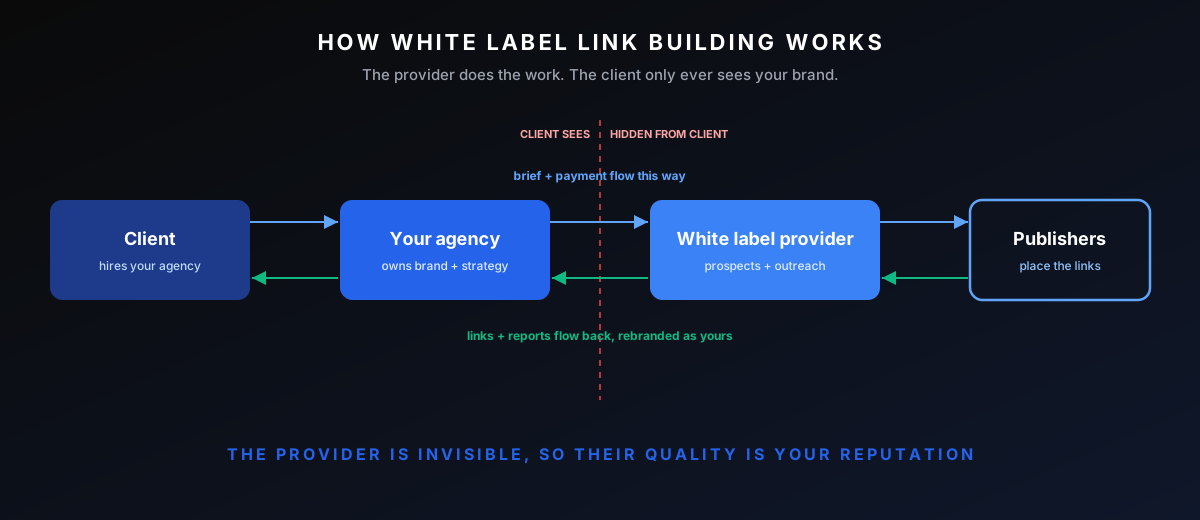
The defining feature is that the client never sees the provider. You brief the provider, they fulfill, and you present the work. That invisibility is the whole point, and it is also why the provider you choose matters so much.
The White Label Fulfillment Models
White label link building is not one thing. There are three common models, and the right one depends on how much of the work you want to keep versus hand off.
Resold Placements
You buy individual placements from the provider and mark them up. Simple and transactional, this works for agencies that just need links to spec. Vet each placement on the same quality backlinks standard you would use for your own clients.
Fully Managed Fulfillment
The provider runs the whole campaign: strategy input, prospecting, outreach, placement, and reporting, all under your brand. This suits agencies that want link building off their plate entirely and are confident in the provider. You keep the client relationship and the strategy narrative.
White-Labeled Reporting
Some providers supply branded dashboards and reports you can hand straight to clients. This is less about who does the work and more about presentation, and it is usually layered on top of one of the first two models.
How To Vet a White Label Link Building Provider
Vet a white label provider harder than you would vet a hire, because their work goes out under your name. The standard is simple: would you be comfortable if your client saw exactly how these links were built? A real provider does white hat link building you can stand behind.
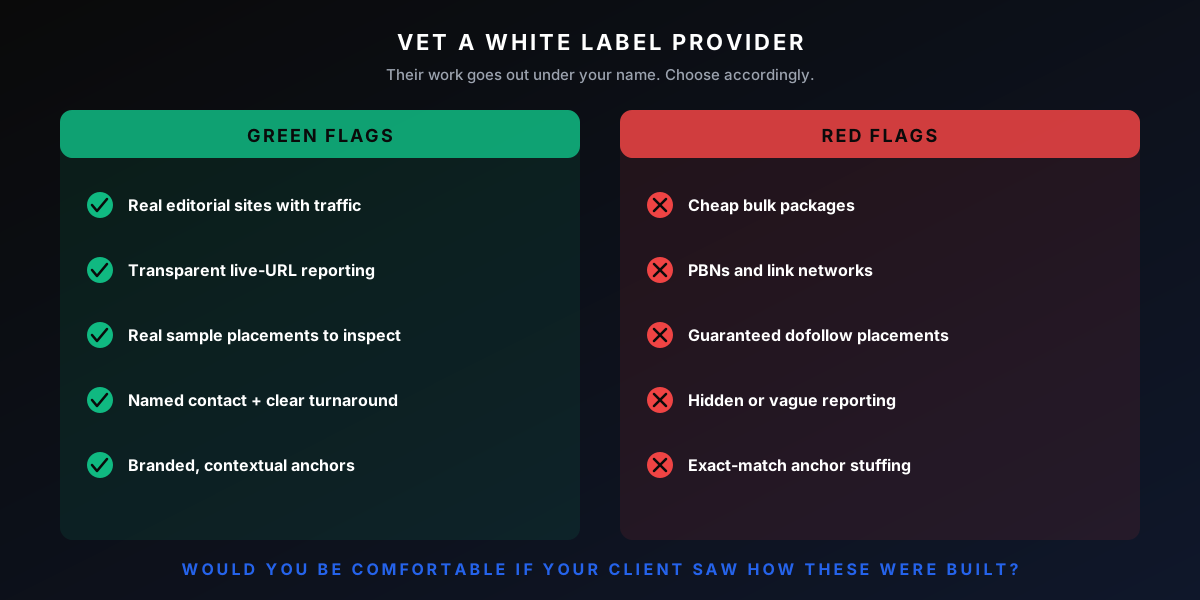
Real editorial sites. Placements on sites with genuine traffic and editorial standards, not a private network.
Transparent reporting. You see the live URLs, the anchors, and the metrics, with nothing hidden.
Sample placements. They show real, recent examples you can open and inspect before you commit.
Clear communication. A named contact, defined turnaround, and a process when a placement falls through.
Anchor discipline. Branded and contextual anchors by default, never exact-match commercial stuffing.
White Label Red Flags To Walk Away From
Some providers are reselling risk, and that risk lands on your agency. Cheap bulk packages, PBN links, guaranteed dofollow placements, and hidden reporting are exactly the patterns behind the algorithmic devaluations and manual actions covered in the Ahrefs guide to Google penalties, and SpamBrain catches them at scale.
The tell is price and secrecy. If a provider will not show you where links go, or sells hundreds of placements for a few dollars each, they are the same operations behind the cheap end of buying backlinks. Walk away; the margin is not worth the client you lose when rankings drop.
How Much Does White Label Link Building Cost?
White label pricing is provider cost plus your markup, and the markup is the business. A quality editorial placement costs a provider real money, so the honest ranges mirror direct link building budget figures, with the provider charging less than your client rate so you keep a margin.
Per-placement reselling. Roughly $150 to $500+ per quality placement from the provider, marked up to the client.
Managed monthly retainers. A wholesale monthly rate you rebill at your own retainer price.
The cheap tier. Anything priced for bulk is the avoid tier; you are buying risk, not margin.
How To Brief and Manage a White Label Provider
A white label provider is only as good as your brief. Give them the target pages, the anchor preferences, the niche and relevance requirements, and any sites to avoid. Vague briefs produce generic links, and generic links are what get noticed.
Then manage the output like it is your own, because to the client it is. Review every placement before it reaches the client, hold the provider to the agreed guest posting and niche-edit standards, and keep the reporting honest. You are the quality gate, not just the reseller.
Is White Label Link Building Worth It for Agencies?
For most agencies, yes. It lets you offer link building without building a specialist team, keeps your clients inside your shop, and adds a margin line you would otherwise turn away. The economics work as long as the provider is good.
It stops being worth it the moment you stop vetting. A cheap provider that tanks a client costs you far more than the margin you made, so the value is entirely tied to choosing well and staying the quality gate.
Frequently Asked Questions
Is White Label Link Building The Same as Outsourcing?
It is a specific kind of outsourcing where the work is delivered under your brand, not the provider's. Plain outsourcing might credit the vendor; white label means the client only ever sees your agency. The distinction is about whose name is on the work.
Will My Client Know I Use a White Label Provider?
Not unless you tell them. The provider stays invisible, the reporting is yours, and the relationship runs through your agency. That is the entire purpose of the model, though many agencies are quietly transparent that they use specialist partners.
Is White Label Link Building Safe?
It is exactly as safe as the provider you choose. A provider doing genuine editorial work is as safe as building links yourself; a cheap bulk provider is a liability that becomes your problem. Vetting is the whole risk control.
What Margin Do Agencies Make on White Label Links?
It varies, but agencies commonly bill clients well above the wholesale provider cost. The exact gap depends on your positioning and the provider rate, and the margin has to be worth the management and quality-control time you put in.
Can I White Label Link Building as a Freelancer?
Yes. Freelancers and small shops use white label providers to offer link building without the headcount. The same rules apply: vet hard, stay the quality gate, and only resell links you would be comfortable explaining to the client.
Use Mojo Links as Your White Label Partner
If you want a white label partner that does work you can stand behind, that is what we run for agencies: real editorial placements, transparent reporting, and no PBNs or bulk packages. We sit behind your brand through managed link placements your clients see as yours. A free video audit is a simple way to see the quality before you resell it.

About Bart Magera
Bart Magera is the founder of Mojo Links. Ten years across YMYL verticals (legal, medical, finance, supplements, crypto, gambling). Trained under Koray Tuğberk Gübür's Topical Authority framework. Author of two SEO books and international speaker.
Want this kind of analysis on your site?
Get a free video walkthrough within 48 hours covering technical health, backlinks, content gaps, and AI visibility.
Related posts
Keep reading on adjacent topics.
- Link Building
 Bart Magera10 min read
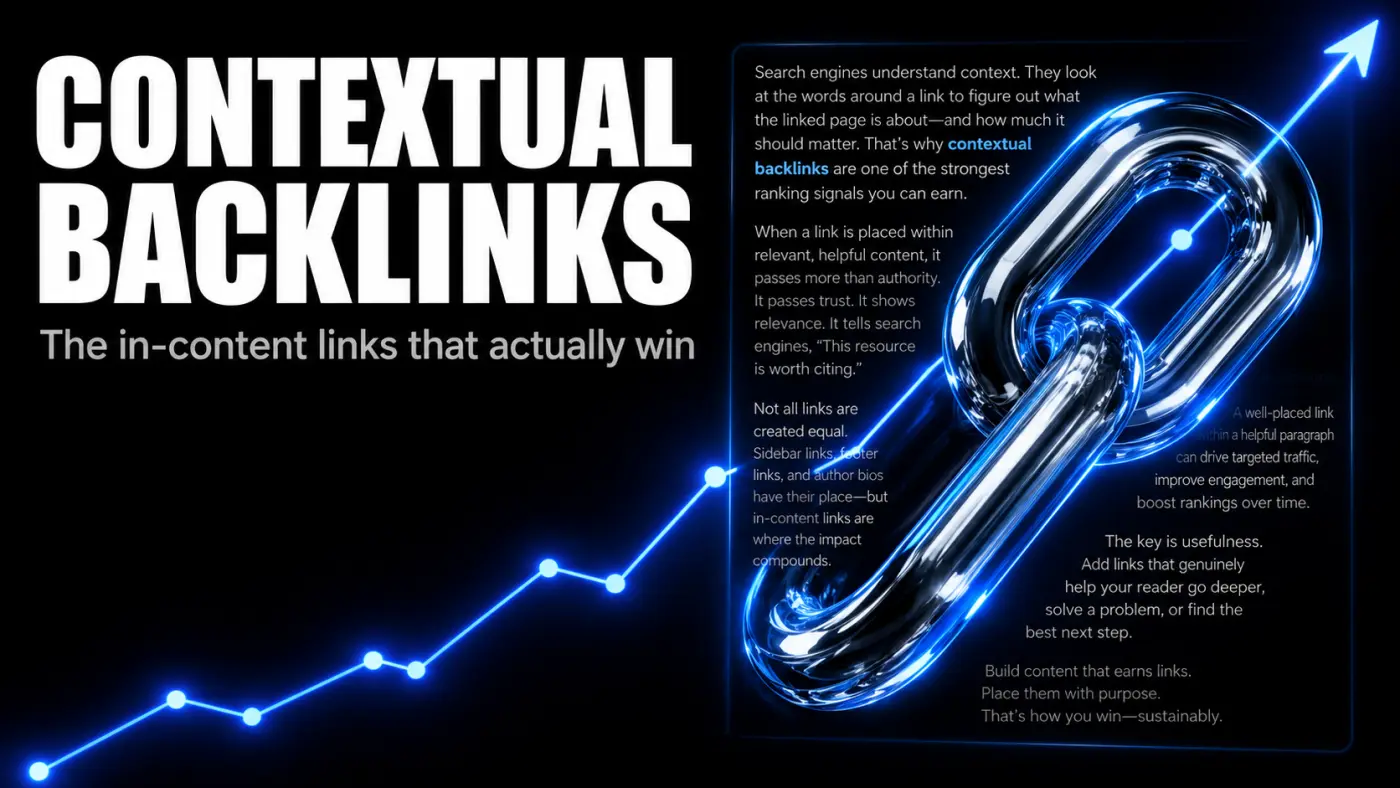
Contextual Backlinks: What They Are, Why They Win, and How To Earn Them
A contextual backlink sits inside the body of an article, surrounded by relevant text, not in a footer or author bio. That placement is what gives it weight. Here is what contextual backlinks are, what makes one high quality, how to earn them, and how to spot the cheap fakes.
- Link Building
 Bart Magera12 min read
What Is White Hat Link Building? Techniques That Work in 2026
The Problem: Why Most Link Building Fails Your SEO You wrote great content. It’s relevant. It’s useful. It even has infographics. But guess what? Crickets. Nobody’s linking. Google’s not ranking. And your “ultimate guide” is buried somewhere on page 7 under a recipe blog and a…
- Link Building
 Bart Magera10 min read
Tiered Link Building: How It Works and How To Do It Safely
Tiered link building layers weaker links behind your strongest ones to pass more authority to your money pages. Here is how the pyramid works, how to build one, which links are worth tiering, the risk SpamBrain introduced, and the lower-risk path I use on client sites.