

How To Buy Backlinks: An Honest Guide To Doing It Without a Penalty
Listen to this article
Browser-native voice. No account required.
Search "how to buy backlinks" and almost every result is written by someone selling them. The marketplaces promise safe, high-authority links for a few dollars, and the explainers shrug and say it depends. Neither tells you what you actually need to know before you spend money.
Mojo Links builds links at scale and has watched bought links rank sites and sink sites. So this is the honest version: when buying is a real link scheme, the narrow case where paid links are defensible, and how to tell them apart. It sits inside the broader link building playbook Mojo Links runs every day.
Can You Buy Backlinks Safely?
There is no such thing as a guaranteed-safe bought link, and anyone who promises one is selling you risk. What you can do is move along a spectrum, from links that are almost certain to hurt you to paid placements that are defensible if done carefully.
Safe is the wrong word. The honest question is how much risk a given paid link carries, and whether the upside is worth it. Most of what gets sold as "buying backlinks" sits at the dangerous end, which is why the default answer is to earn instead.
Is Buying Backlinks Against Google's Rules?
Yes, when the link is followed and meant to pass authority. Google's link spam policy names "buying or selling links for ranking purposes" as a link scheme, and that includes paying in money, products, or services for a followed link.
The compliant version is simple: a paid link must carry rel="sponsored" or rel="nofollow" so it does not pass PageRank. That is the line between a sponsorship and a link scheme. The moment you pay for a followed link specifically to move rankings, you are on the wrong side of it, and SpamBrain is the system built to find those patterns.
What "buying Backlinks" Actually Means
"Buying backlinks" covers everything from a five dollar gig to a six hundred dollar editorial placement on a real publication. Lumping them together is how people get burned. The useful way to look at it is a risk spectrum, from links that almost always hurt to paid placements that can be defensible.
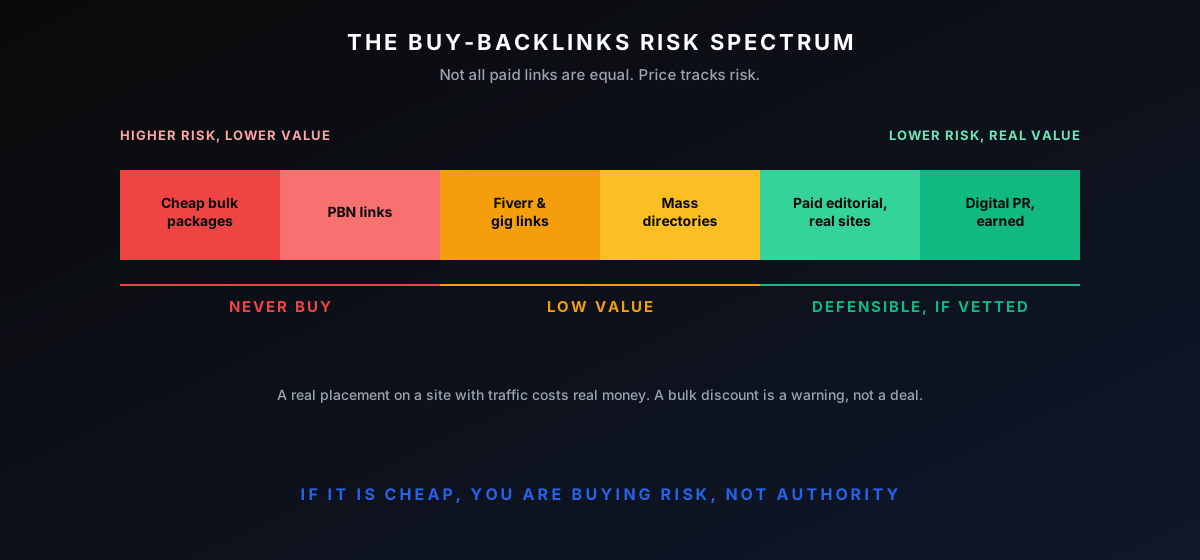
On the red end sit cheap packages and private blog networks: cheap, scaled, and exactly what detection systems hunt. In the middle are fiverr gigs and mass directories, low value and easy to spot. On the green end is paid editorial placement on a real site and digital PR, where you are paying for genuine work and reach, not a raw link.
The price tells you most of what you need to know. A real placement on a site with real traffic costs real money, so a bulk discount is a signal that you are buying from the red end of the spectrum.
The Backlinks Never Worth Buying
Some paid links are a fast route to a penalty, and no price makes them worth it. These are the categories Mojo Links will not touch, because the pattern that builds them is the pattern that gets them caught.
Cheap bulk packages. "100 backlinks for $30" or "DA50 links for $10" are link schemes by definition.
PBN links. Private blog networks are a textbook scheme; one deindexed network can take your rankings with it.
Fiverr and marketplace gigs. Mass, templated link drops with no editorial standard behind them.
Comment, forum, and profile spam. Auto-placed links that signal manipulation and pass nothing.
"Guaranteed dofollow" placements. A guarantee of a followed paid link is a guarantee you are breaking the rules.
The common thread is scale and the absence of editorial judgment. The same mechanics show up across every PBN link and bulk package, which is why they fail together when an update lands.
The Gray Area: Paid Links Done Carefully
There is a narrow band where paying is defensible, and it has nothing to do with the package marketplaces. It is paying for genuine work on real sites, with the attribution Google asks for. This is where careful operators spend, with eyes open about the residual risk.
Paid Editorial Placements on Real Sites
Paying a real publication to produce and place genuine content is closer to advertising than to a link scheme, especially when the site has real traffic and editorial standards. It overlaps with the link insertions and placements worth evaluating the same way as any link: on relevance and quality, not on a discount.
Sponsored Content with The Right Rel Attribute
Sponsored posts are legitimate when the link carries rel="sponsored" and the content serves the reader. You get brand exposure and referral traffic, and you stay compliant because the link is not pretending to be an editorial vote. The mistake is paying extra to strip the attribute, which converts a clean sponsorship into a scheme.
Digital PR and Agency Retainers
When you hire an agency, you are paying for outreach, relationships, and content, not for the links themselves. The links are earned on the other end by a real pitch a publisher chose to run. That is a different transaction from buying a placement off a price list, and it is where real budget belongs.
How To Vet a Paid Link Before You Buy
If you are going to pay, vet the placement as hard as you would vet a hire. Every paid link has to clear the same bar as any high-quality backlink, and if it fails a single check, walk away.
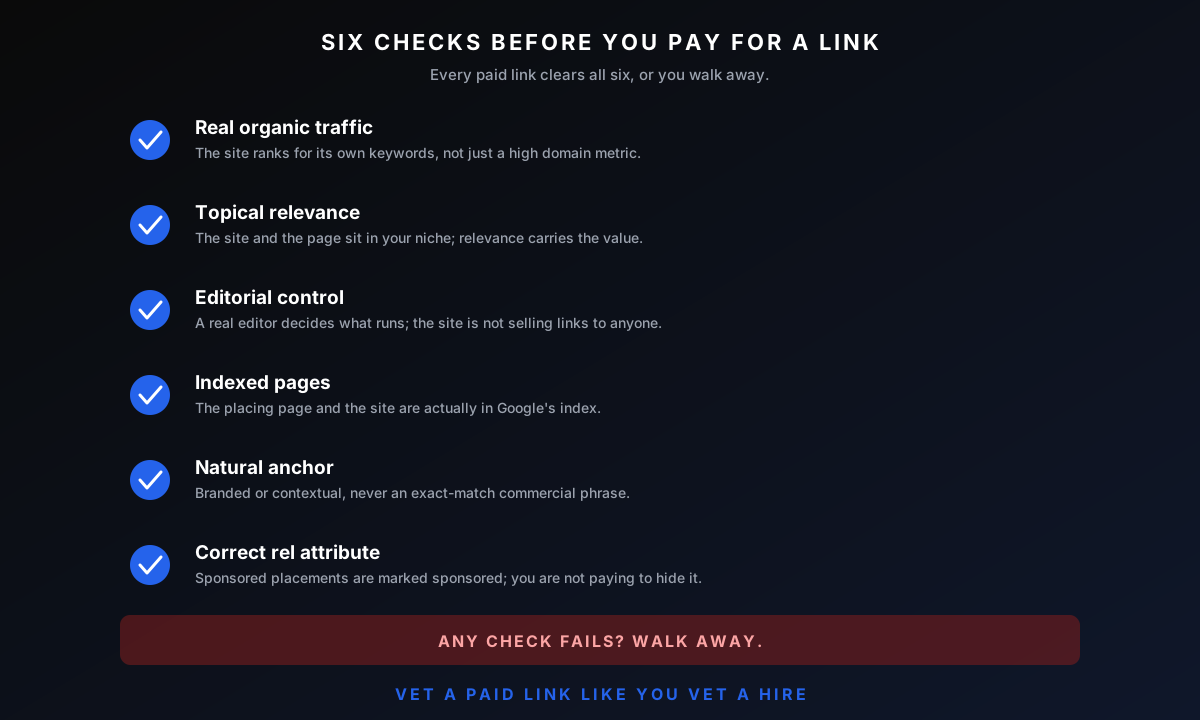
Real organic traffic. The site ranks for its own keywords, not just a high domain metric.
Topical relevance. The site and the page sit in your niche, since relevance carries the value.
Editorial control. A real editor decides what runs; the site is not selling links to anyone.
Indexed pages. The placing page and the site are actually in Google's index.
Natural anchor. A branded or contextual anchor, never an exact-match commercial phrase.
Correct rel attribute. Sponsored placements are marked sponsored; you are not paying to hide it.
Relevance does more work here than any metric, which is why the vetting process weights niche relevant backlinks over a big domain rating on an unrelated site.
How Much Do Real Backlinks Cost?
Honest market ranges, not a price list: a placement worth having is expensive, because the work behind it is real. If a number looks too good, it is buying you risk.
Cheap packages: a few dollars per link. This is the avoid tier; the price reflects what you are getting.
Paid editorial placement: roughly $150 to $600+. On a real site with traffic and editorial standards.
Digital PR: a monthly retainer. You pay for the campaign and earn the links, not buy them off a list.
The pattern is consistent. The links that help cost real money because someone did real work, and the links that are cheap are cheap because they are mass-produced and risky.
What To Do Instead of Buying Links
The default is to earn links rather than buy them, because earned links carry less risk and compound over time. Genuine outreach, digital PR, and placements on real sites do not evaporate when an update lands. It is the same reason this guide points to free backlink sites for foundations rather than to a package seller.
If you have budget, spend it on the work that earns links, not on the links themselves. That is exactly what managed link building campaigns are built to do, and it is the lower-risk path to the same goal.
Does Buying Backlinks Help with AI Search?
Not in any reliable way. AI answer engines lean on trust and topical authority, and a profile built on bought links is fragile, not authoritative. The mentions and citations that feed AI answers come from real coverage on credible sites, which is the earned end of the spectrum, not the bought one.
Cheap bought links do nothing for AI visibility for the same reason they do nothing for durable rankings. The credibility that gets you cited is the thing money cannot shortcut.
Frequently Asked Questions
Will I Get Penalized for Buying Backlinks?
You can, and the cheaper and more scaled the links, the higher the risk. Google can devalue the links quietly or issue a manual action, and detection has improved every year. A small number of careful paid placements on real sites is lower risk than bulk packages, but no bought link is risk-free.
Are Paid Backlinks Always Against Google's Rules?
Only when the paid link is followed and meant to pass authority. A paid link marked rel="sponsored" or rel="nofollow" is compliant, because it is not pretending to be an editorial vote. The violation is paying for a followed link specifically to move rankings.
Where Do People Buy Backlinks?
Mostly through link marketplaces, fiverr-style gigs, and outreach agencies, with wildly different quality. The marketplaces and cheap gigs sit at the risky end, while reputable agencies sell the work of earning links rather than the links themselves. Where you buy matters less than what you are actually getting.
How Can I Tell If a Backlink Is Worth Paying For?
Run it through the same checks as any link: real organic traffic, topical relevance, editorial control, indexation, a natural anchor, and the correct rel attribute. If the site sells links to anyone with no editorial standard, the placement is not worth paying for at any price.
Is It Better To Buy Backlinks or Build Them?
Building or earning them is better in almost every case. Earned links carry less risk, last through algorithm updates, and compound as your authority grows. Paying makes sense only for genuine editorial placement and digital PR, where you are funding real work, not buying a raw link.
Work with Mojo Links
Buying backlinks is mostly a fast way to buy risk, and the narrow exceptions take real judgment to get right. We earn links for clients through outreach and digital PR, vet every placement against the checks above, and skip the package marketplaces entirely. A personalized growth audit includes an honest read on your backlink profile and whether any bought links are a liability.

About Bart Magera
Bart Magera is the founder of Mojo Links. Ten years across YMYL verticals (legal, medical, finance, supplements, crypto, gambling). Trained under Koray Tuğberk Gübür's Topical Authority framework. Author of two SEO books and international speaker.
Want this kind of analysis on your site?
Get a free video walkthrough within 48 hours covering technical health, backlinks, content gaps, and AI visibility.
Related posts
Keep reading on adjacent topics.
- Link Building
 Bart Magera10 min read
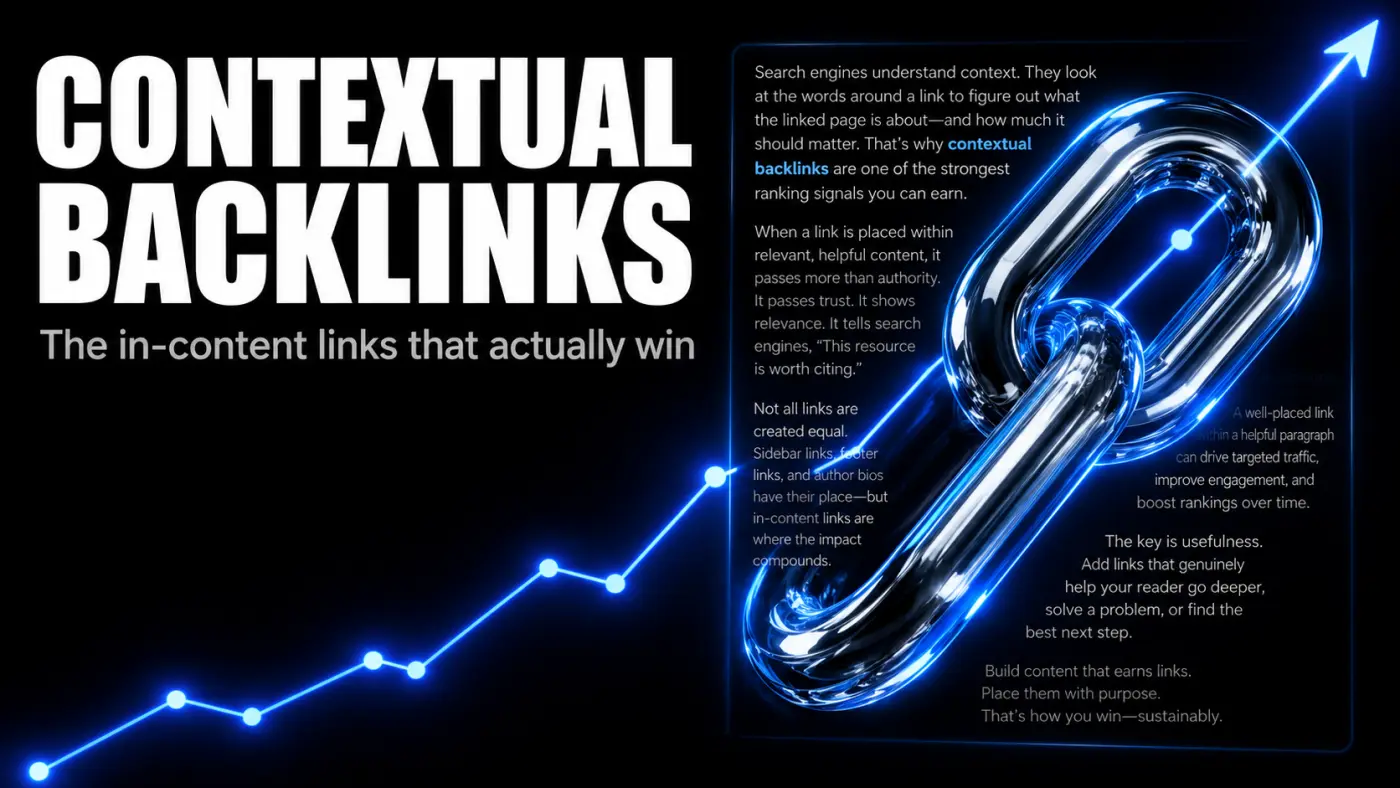
Contextual Backlinks: What They Are, Why They Win, and How To Earn Them
A contextual backlink sits inside the body of an article, surrounded by relevant text, not in a footer or author bio. That placement is what gives it weight. Here is what contextual backlinks are, what makes one high quality, how to earn them, and how to spot the cheap fakes.
- Link Building
 Bart Magera12 min read
What Is White Hat Link Building? Techniques That Work in 2026
The Problem: Why Most Link Building Fails Your SEO You wrote great content. It’s relevant. It’s useful. It even has infographics. But guess what? Crickets. Nobody’s linking. Google’s not ranking. And your “ultimate guide” is buried somewhere on page 7 under a recipe blog and a…
- Link Building
 Bart Magera10 min read
Tiered Link Building: How It Works and How To Do It Safely
Tiered link building layers weaker links behind your strongest ones to pass more authority to your money pages. Here is how the pyramid works, how to build one, which links are worth tiering, the risk SpamBrain introduced, and the lower-risk path I use on client sites.