

Free Backlink Sites: The Ones That Actually Work in 2026
Listen to this article
Browser-native voice. No account required.
Most lists of free backlink sites are junk. They dump 300 web 2.0 and submission sites, half of them dead, the other half so spammed that a link does nothing or quietly hurts you. Mojo Links builds links professionally, so this is the honest version: the sites actually worth your time in 2026, sorted by what they do for you.
Here is the catch worth saying up front. Almost none of these free backlinks move rankings on their own; they build diversity and foundations, while editorial links earn the rankings. This guide shows where each tier fits so you spend effort on what works. It is part of the broader link building playbook Mojo Links runs at scale.
What Are Backlink Sites?
Backlink sites are websites where you can earn or create a link back to your own site, from high-authority publications and directories to web 2.0 platforms, profile pages, and community sites. The term usually shows up in lists of free places to get backlinks, which is where most of the confusion starts. They are one slice of the broader types of backlinks a site can earn.
Not all backlink sites are equal, and most free lists ignore that. A link from a respected industry publication and a link from an auto-generated web 2.0 page are both technically backlinks, but one earns rankings and the other is, at best, filler.
Do Free Backlink Sites Actually Work?
Free backlink sites work for what they are good at: building a natural, diverse foundation and getting your brand listed where it should be. They do not work as a ranking strategy on their own. The links are mostly nofollow or low-authority, so they add legitimacy, not ranking power.
The honest framing is that free backlinks are table stakes, not a growth lever. A new site should claim the obvious profiles and directories, then put real effort into the editorial and niche links that move rankings, which is the part free lists never mention.
How To Judge a Backlink Site
Before you build a single link, judge the site on two axes: how much value the link passes and how much risk it carries. That one decision separates useful free links from the ones that waste time or trigger a penalty. It is the same test behind the criteria for quality backlinks.
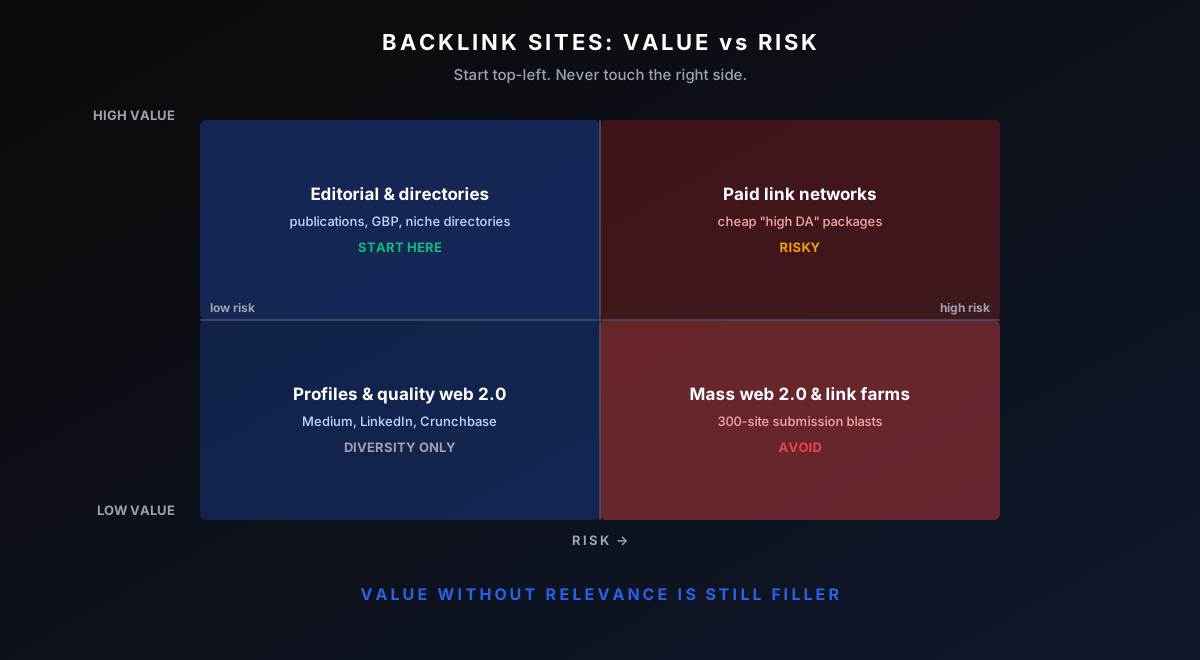
High value and low risk is where you start: genuine publications, relevant directories, and authoritative platforms. Low value and low risk links, most free profile and web 2.0 links, are fine in moderation for diversity. Anything in the high-risk column, mass-generated web 2.0 or paid link networks, is where sites get hurt.
Relevance is the multiplier most lists ignore. A link from a site in your industry is worth far more than a high-authority link with no topical connection, which is why the two-axis test weights niche-relevant links above raw domain metrics.
Where Backlink Sites Fit in a Real Link Profile
A healthy link profile is a pyramid. The wide base is foundational links: directories, profiles, and web 2.0 platforms that establish your brand exists. The middle is earned and placed links like niche edits and guest posts. The narrow top is editorial and digital PR links that genuinely move rankings.
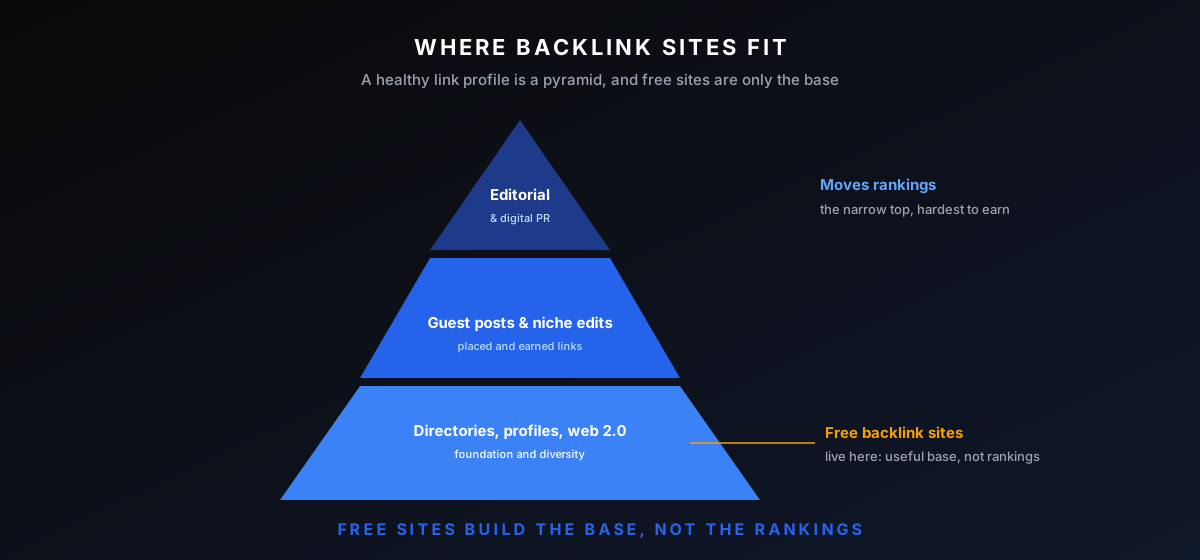
Free backlink sites live almost entirely in that base layer. They matter, since a profile with zero foundational links looks unnatural, but stacking thousands of them does not push you up the pyramid. The mistake most DIY link builders make is spending all their time on the base and none on the top.
The Backlink Sites Worth Using
Here are the categories worth your time, with real platforms in each. Claim the foundational ones once, use the publishing and PR ones consistently, and skip anything that is not on a curated list like this.
High-Authority Publishing Platforms
These are the web 2.0 sites worth using, the high-authority platforms where real people publish, not mass submission farms. Publish genuine content, not thin link bait.
Medium. A respected publishing platform; adapt your content with a contextual link.
LinkedIn Articles. High authority and a real professional audience; strong for B2B.
Substack. A newsletter and publishing platform that ranks and builds an audience.
WordPress.com and Blogger. Classic web 2.0 properties; useful as branded secondary sites, not spam.
Tumblr. Still indexed and useful for brand diversity when used genuinely.
Business and Industry Directories
Directories are foundational, especially for local and B2B. Quality and relevance matter; skip the mass-submission directory lists.
Google Business Profile. The single most important listing for any local business; not optional.
Crunchbase. A high-authority profile for companies and startups.
Clutch and review directories. Strong for agencies and B2B service providers.
Yelp and industry-specific directories. Useful where they match your market; keep name, address, and phone consistent.
Profile and Foundational Links
Profile links on authoritative platforms add legitimacy and diversity. They are mostly nofollow, which is fine; this tier is about looking like a real entity, not passing authority.
GitHub, Behance, and Dribbble. Authoritative profiles for technical and creative brands.
About.me and Gravatar. Simple, legitimate brand profiles.
Product Hunt. A launch and profile platform with real discovery value.
Community and Q&a Sites
Community sites are nofollow, but the referral traffic and discovery are real, and they increasingly feed AI answers. Contribute genuinely; do not drop links.
Reddit. Powerful for traffic and discovery in the right subreddits; spam gets removed fast.
Quora. Long-lived answers that drive referral traffic and brand visibility.
Niche forums and communities. Where your actual audience already is.
Digital PR and Journalist Platforms
These earn editorial links, the tier that actually moves rankings, by connecting you with journalists. HARO shut down, so these are the platforms that replaced it, and they pair with the guest posts and niche edits you place directly.
Featured and Qwoted. The leading source-request platforms that replaced HARO.
SourceBottle and Help a B2B Writer. Additional journalist-request platforms worth monitoring.
Your own digital PR. Pitching real data and stories directly earns the strongest editorial links.
Backlink Sites To Avoid
Some backlink sites do more harm than good. Mass web 2.0 networks, auto-approved directory blasts, link farms, and paid-link networks are exactly what Google's spam systems target, and SpamBrain is built to catch them at scale. Google's SEO Starter Guide points the opposite way: links should accumulate naturally because other sites find your content worth referencing.
The tell is automation and volume. If a service promises hundreds of backlinks for a few dollars, those links come from the avoid tier, and the same patterns that built them are what get detected. The mechanics are covered in link schemes.
How To Use Backlink Sites Without Getting Penalized
Use free backlink sites for what they are: foundation and diversity, built at a human pace. Claim your profiles and directories, publish real content on the quality platforms, and stop there. Do not buy bulk packages or automate submissions.
Then put your real budget where rankings are won: relevant editorial and niche links. That is the work that compounds, and it is what managed link campaigns are actually for. Free sites support that work; they do not replace it.
Do Backlink Sites Help with AI Search?
Some do, indirectly. AI answer engines lean on the same signals as search, plus mentions on trusted community and publishing platforms. A genuine presence on Reddit, Quora, and respected publications can feed the sources these engines cite, which is a real reason to use the quality tier well.
Mass free links do nothing for AI visibility, the same way they do nothing for rankings. The platforms that help are the credible ones where real people and real content live.
Frequently Asked Questions
Are Free Backlinks Worth It?
For foundation and diversity, yes; as a ranking strategy, no. Free backlinks from quality platforms and directories make your profile look natural and can drive referral traffic. They will not move competitive rankings on their own, which takes editorial and niche-relevant links.
Are These Backlink Sites Dofollow or Nofollow?
Most are nofollow, and that is fine. Nofollow links still add diversity, referral traffic, and legitimacy, and Google treats nofollow as a hint rather than a hard rule. Chasing only dofollow free links usually means chasing the spammy tier, which is the wrong trade.
How Many Backlink Sites Should I Use?
Enough to cover the obvious foundations, not hundreds. Claim your key profiles and directories, use a few quality publishing platforms genuinely, and move on. Volume in this tier signals manipulation, not authority.
Do Web 2.0 Backlinks Still Work in 2026?
The quality ones do, used genuinely. A real Medium or LinkedIn article adds value; a mass web 2.0 blast does not and can hurt you. The platform is not the problem, the spam pattern is.
Should I Just Buy Backlinks Instead?
Buying cheap bulk backlinks is the fastest way into the avoid tier and a penalty. There is a place for paid editorial placements done carefully, but that is a different thing from the link packages most "buy backlinks" sites sell. Judge any paid link on the same value-and-risk test as a free one. The full guide on how to buy backlinks walks through the risk spectrum and how to vet a paid placement.
Work with Mojo Links
Free backlink sites build the foundation; editorial and niche-relevant links build the rankings, and that is the work we run for clients. We skip the avoid tier entirely and focus on the links that compound. A video audit includes a read on your current backlink profile and where the real gaps are.

About Bart Magera
Bart Magera is the founder of Mojo Links. Ten years across YMYL verticals (legal, medical, finance, supplements, crypto, gambling). Trained under Koray Tuğberk Gübür's Topical Authority framework. Author of two SEO books and international speaker.
Want this kind of analysis on your site?
Get a free video walkthrough within 48 hours covering technical health, backlinks, content gaps, and AI visibility.
Related posts
Keep reading on adjacent topics.
- Link Building
 Bart Magera10 min read
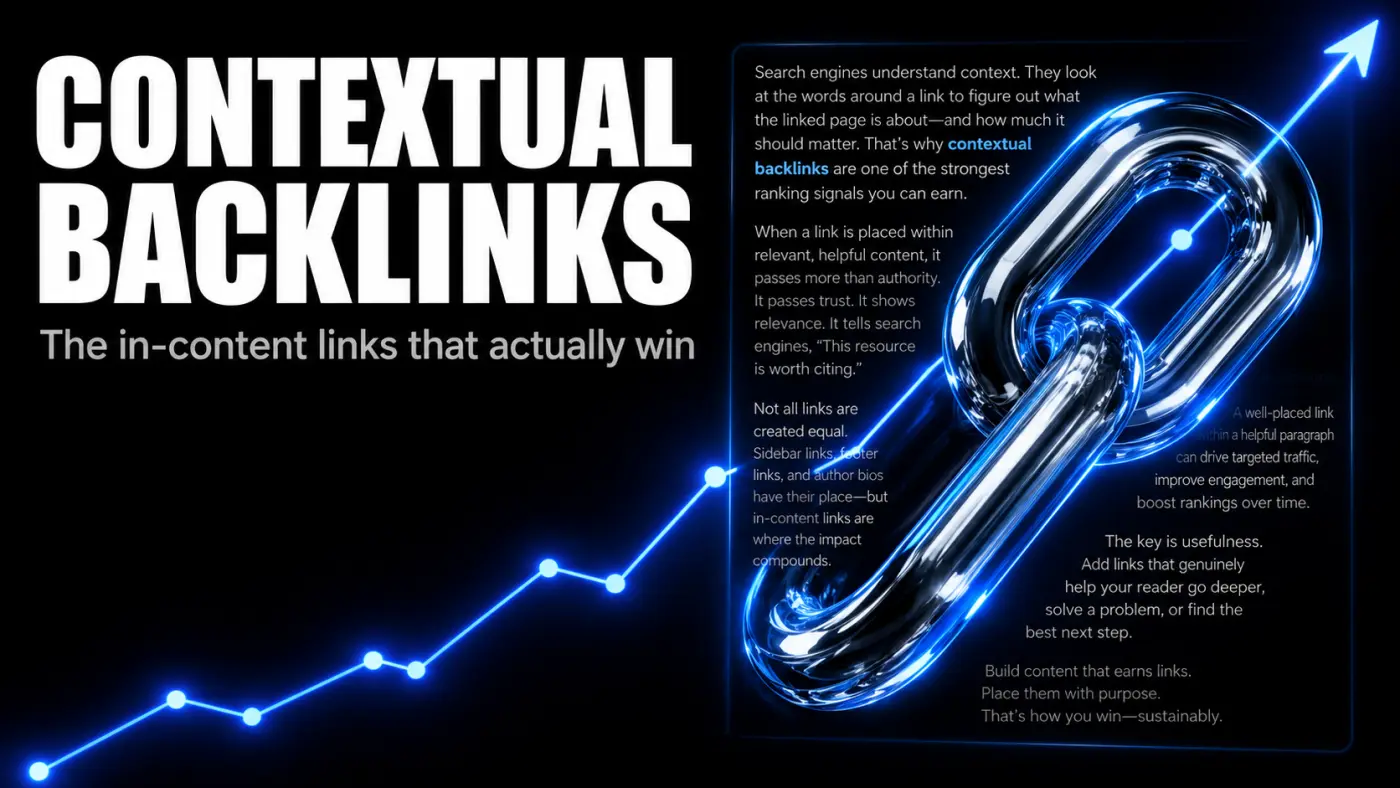
Contextual Backlinks: What They Are, Why They Win, and How To Earn Them
A contextual backlink sits inside the body of an article, surrounded by relevant text, not in a footer or author bio. That placement is what gives it weight. Here is what contextual backlinks are, what makes one high quality, how to earn them, and how to spot the cheap fakes.
- Link Building
 Bart Magera12 min read
What Is White Hat Link Building? Techniques That Work in 2026
The Problem: Why Most Link Building Fails Your SEO You wrote great content. It’s relevant. It’s useful. It even has infographics. But guess what? Crickets. Nobody’s linking. Google’s not ranking. And your “ultimate guide” is buried somewhere on page 7 under a recipe blog and a…
- Link Building
 Bart Magera10 min read
Tiered Link Building: How It Works and How To Do It Safely
Tiered link building layers weaker links behind your strongest ones to pass more authority to your money pages. Here is how the pyramid works, how to build one, which links are worth tiering, the risk SpamBrain introduced, and the lower-risk path I use on client sites.