

SEO Silos and Topical Authority: What Works in 2026

Listen to this article
Browser-native voice. No account required.
Ask ten SEOs whether silos still work and you will get two answers, both wrong. One camp says siloing died years ago and you should use topic clusters. The other still draws strict folders and forbids linking between them. The reality sits between the two, and the gap costs sites rankings every day.
Here is the version from someone who architects internal structure for a living. The SEO silo principle, grouping related pages so a topic reads as one authoritative block, still works. The rigid early-2000s execution, with its no-cross-linking rule and folder dogma, does not. The idea survived, and it is still one of the most reliable ways to build topical authority. The rulebook got thrown out.
What Is An SEO Silo?
An SEO silo is a way of grouping related pages so that search engines read them as one deep, authoritative block on a topic. A silo has a landing page for the head term and supporting pages for the long-tail queries beneath it, all linked together. The goal is topical depth Google can see at a glance.
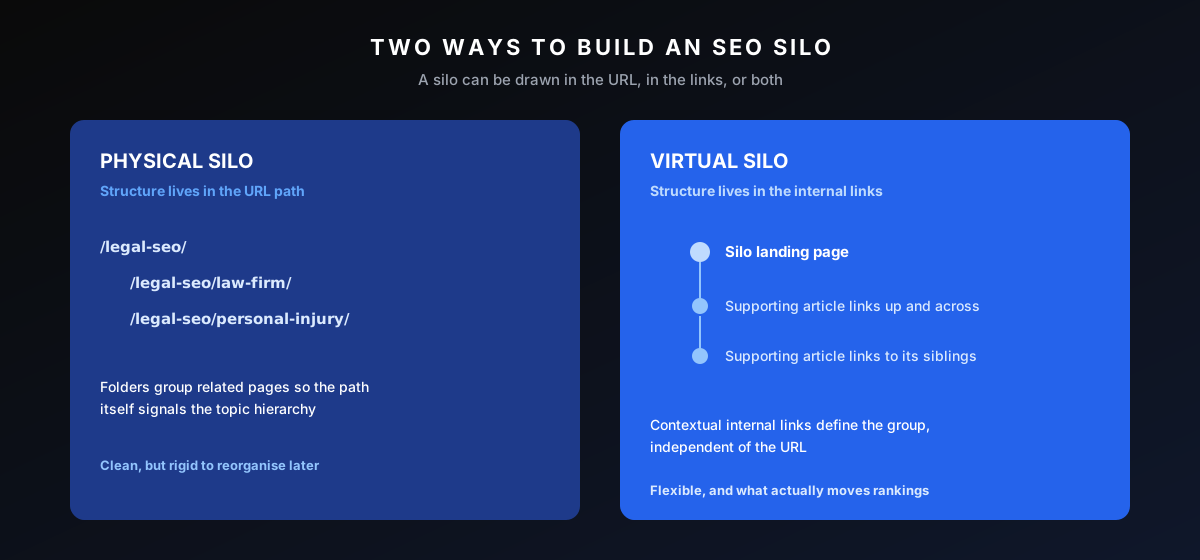
There are two ways to draw a silo. A physical silo lives in the URL path, with folders like /legal-seo/ and /legal-seo/law-firm/. A virtual silo lives in the internal links, where contextual links define the group no matter where the pages sit. The links matter more than the folders, and Google has to be able to crawl and follow them, which is why its guidance on crawlable links insists on real anchor tags rather than script-driven navigation.
What Does An SEO Silo Structure Look Like?
A silo structure is a shallow tree. The homepage links to a set of silo landing pages, each landing page links down to its supporting articles, and those articles link back up to the landing page and across to their siblings. Three levels, rarely more, so authority reaches every page.
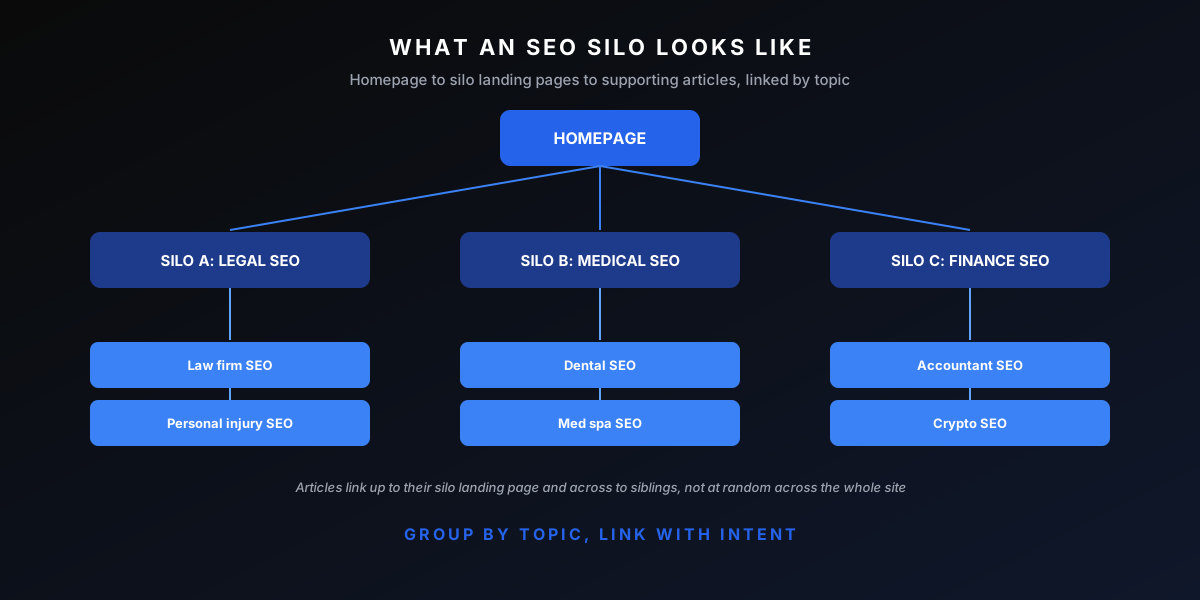
The point of the shape is concentration. A reader and a crawler can both see that ten pages cover one topic in depth, and the internal links pass authority to the landing page that targets the money term. A flat pile of unconnected posts across a website sends no such signal.
Where Did SEO Siloing Come From?
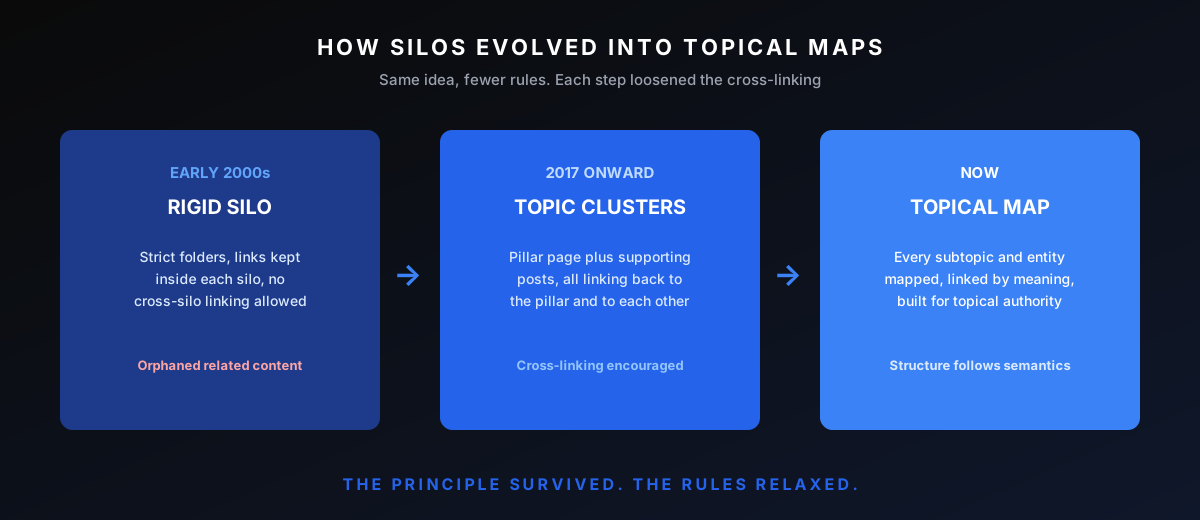
Siloing came out of the early 2000s, popularised by Bruce Clay as a way to organise large sites into theme-based sections. The theory borrowed from library science: keep like with like, and a search engine will understand the theme. For sprawling sites with no structure at all, it was a genuine step forward.
The original rulebook was strict. Each silo was a sealed folder, internal links were supposed to stay inside their silo, and cross-linking between themes was treated as contamination. That made sense when Google leaned heavily on crude on-page signals. It stopped making sense as the algorithm got better at understanding meaning.
Do SEO Silos Still Work in 2026?
Yes, the principle works; the rigid version does not. Grouping related pages and linking them deliberately still builds topical authority and still moves rankings. Sealing silos off from each other and building pages just to complete a folder does not, and has not for years.
Across the sources that argue about this, from Ahrefs to Semrush to the people who coined the term, the agreement is wider than it looks: structure by topic, link with intent, and do not let dogma override relevance. The disagreement is mostly about the word silo, not the practice underneath it.
The old rule that you must never link between silos has cost more rankings than most algorithm updates, and it was never a Google rule in the first place. It was a folder fetish. If two of your topics genuinely connect, the link helps the reader and the crawler both.
SEO Silo vs Topic Cluster vs Topical Map
These three describe the same instinct at increasing levels of sophistication. A silo groups by theme and folder. A topic cluster groups a pillar page with supporting posts and encourages cross-linking. A topical map plans every subtopic and entity a site must cover, then links them by meaning.
The trend across all three is the same: structure follows the topic, and the linking rules loosen. A topical map is where this ends up, because it starts from the full set of questions a topic raises and builds the architecture around them rather than forcing pages into a folder tree decided in advance.
So which should you build? If you already have silos, you do not need to tear them down. Keep the grouping, drop the no-cross-linking rule, and extend coverage until the silo behaves like a topical map. The label matters far less than the depth and the links.
Do SEO Silos Build Topical Authority?
Yes, that is the entire point. A silo concentrates pages, internal links, and relevance on one subject, which is exactly how a site earns topical authority, the depth-of-coverage signal Google and AI search now reward. A scattered set of posts on the same topic earns none of it.
Topical authority only matters more as search shifts toward AI answers. Search Engine Journal's analysis of entity authority in AI search makes the same case from the entity angle: engines and language models favour sources that demonstrably own a topic. A silo, built well, is how you demonstrate that ownership.
This is why the silo, the topic cluster, and the topical map all converge. Each is a way to build topical authority through structure. The silo was the first attempt, the topical map is the current one, and the only real difference is how completely you cover the topic and how freely you link across it.
Why Does Rigid Siloing Fail?
Rigid siloing fails because it optimises for a folder tree instead of for the reader and the topic. The rules that once felt disciplined now strand content, bury pages, and ignore how real topics overlap. Four mistakes do most of the damage.
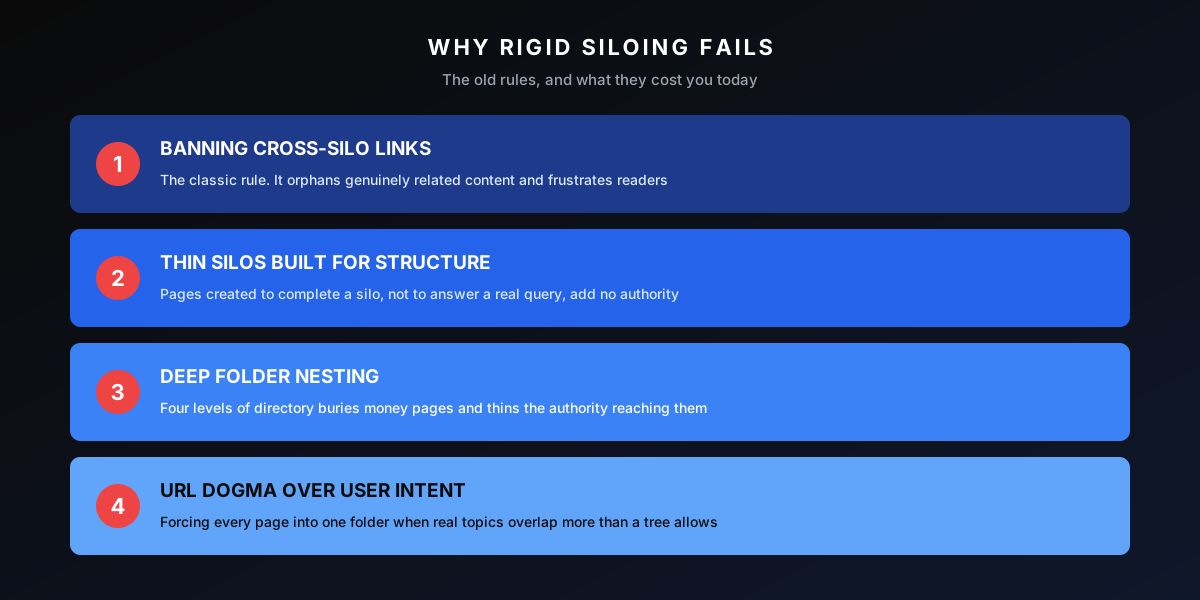
Banning cross-silo links. The signature rule, and the worst. It orphans genuinely related pages and sends readers to dead ends.
Thin silos built for structure. Pages created to complete a silo rather than answer a real query add no authority and dilute the rest.
Deep folder nesting. Four directory levels bury the pages that sell and thin the authority that reaches them.
URL dogma over intent. Forcing every page into one folder when topics overlap more than a tree can express.
How Do You Build An SEO Silo?
Map the topic before you touch the folders. List every subtopic and query first, build a landing page for the head keyword, publish supporting articles for the long-tail, link them with internal linking up and across, and point your internal authority at the landing page. Structure follows the topic, not the other way around.
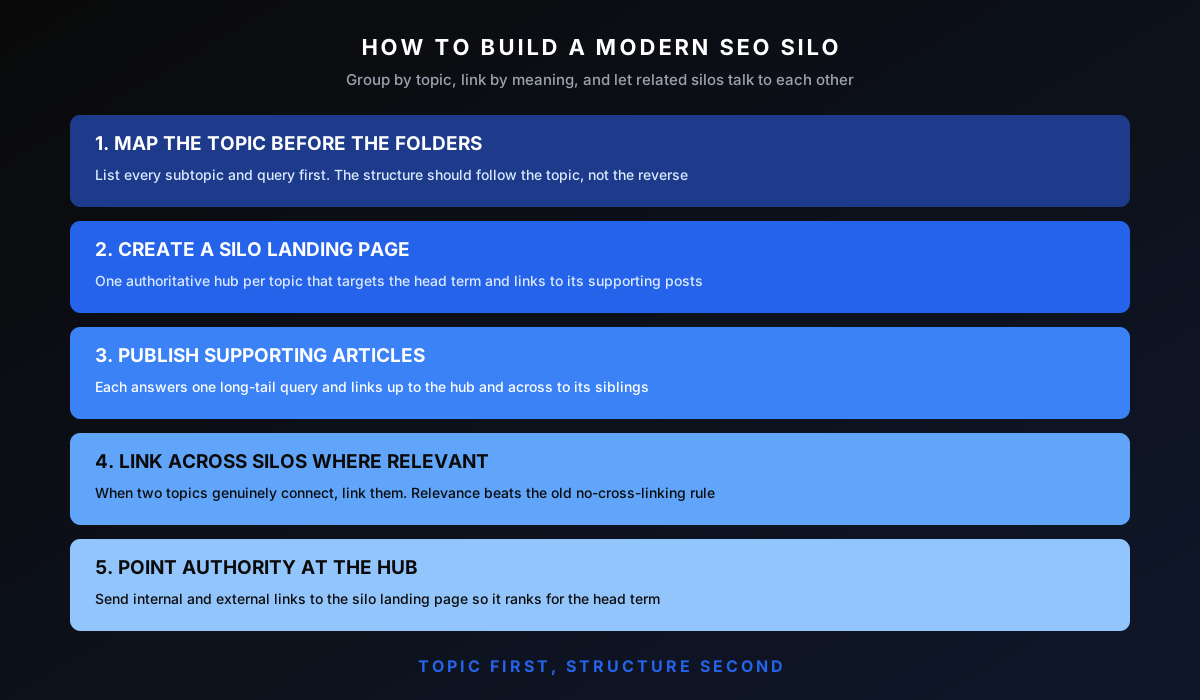
The work overlaps almost completely with building link equity on purpose. You are deciding which pages are hubs, which feed them, and where authority should concentrate. A silo is just that decision applied to one topic at a time.
How Should You Link Inside a Silo?
The links are the silo, so the internal linking does the real work. Link supporting posts up to their landing page, link siblings to each other, and cross-link to other silos wherever the topics are genuinely relevant. Use descriptive, varied anchor text and point the hub at the page that converts.
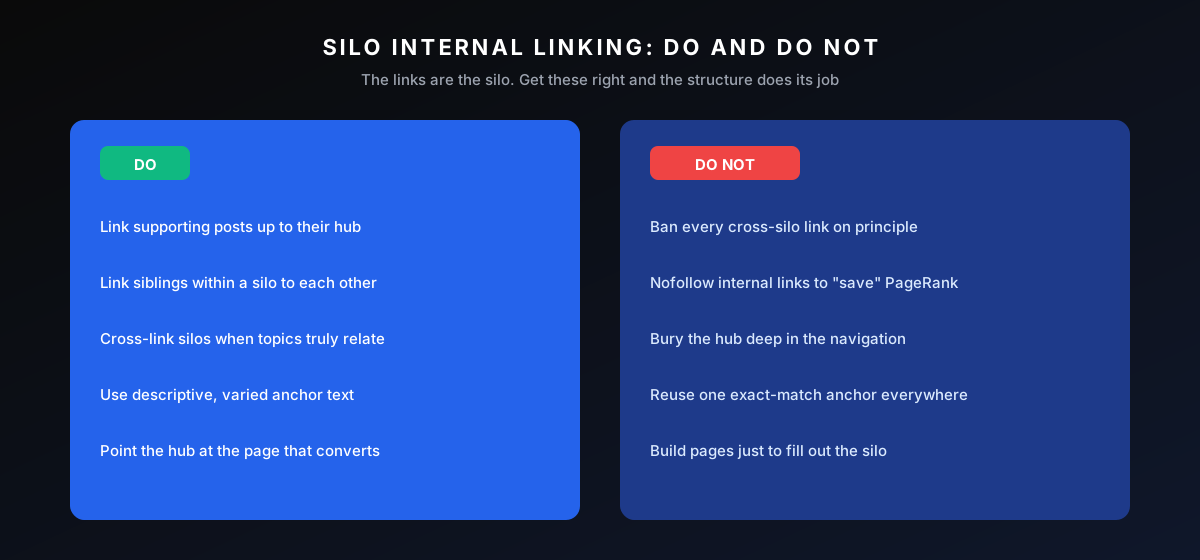
What you do not do is try to game the flow with attributes. Adding nofollow to internal links to "preserve" authority for the landing page has not worked since 2009, a trap covered in the guide to link sculpting. Channel authority with real links and a flat structure, not with tags.
What Does Fixing a Silo Look Like in Practice?
It usually means loosening a silo, not building one from scratch. A typical site has rigid categories, a few thin filler pages, and an unspoken rule against cross-linking that strands its best content. The fix adds coverage, connects the related silos, and points authority at the page that should rank.
Take a pattern that shows up most months. A website has a tidy services silo and a separate blog full of related posts, but nothing links the two, so the blog's topical authority never reaches the service pages it supports. The structure is technically clean and commercially useless.
The fix is structural, not a rewrite. Map the questions each service raises, link the supporting posts to the service page they back, cross-link the silos that genuinely relate, and cut the thin pages that exist only to fill a category. Same content, more topical authority, more rankings on the pages that convert.
Frequently Asked Questions
Are SEO Silos Outdated?
The rigid version is outdated; the principle is not. Sealing silos off and banning cross-silo links stopped helping years ago. Grouping related pages by topic and linking them deliberately still builds authority, which is why topic clusters and topical maps are just looser silos.
What Is The Difference Between a Silo and a Topic Cluster?
A silo groups pages by theme, often in folders, and traditionally kept links inside the silo. A topic cluster pairs a pillar page with supporting posts and encourages cross-linking. The cluster is the same idea with the no-cross-linking rule removed, which is why it tends to perform better.
Do I Need Silos in My URL Structure?
No. A physical silo in the URL is tidy but optional, and hard to change later. A virtual silo built from internal links does the ranking work and adapts as your content grows. Plenty of well-structured sites use a flat URL and silo entirely through linking.
Can I Link Between Silos?
Yes, and you should when the topics genuinely relate. The old no-cross-linking rule was never a Google requirement. A relevant cross-silo link helps readers and helps Google understand how your topics connect. Force nothing, but never block a link that earns its place.
How Many Pages Does a Silo Need?
Enough to cover the topic, not a fixed number. A silo should answer the real questions a subject raises, from the head term down to the long-tail. One landing page plus four genuinely useful articles beats twenty thin pages built to fill out a folder.
Work with Mojo Links
Most sites have the makings of good silos and waste them on rigid rules and orphaned pages. We map the topic, build the structure around it, and point internal authority at the pages that convert, the same work behind every topical maps build. The free growth audit flags where your structure traps authority and which silos are too thin to rank, before you commit to anything.

About Bart Magera
Bart Magera is the founder of Mojo Links. Ten years across YMYL verticals (legal, medical, finance, supplements, crypto, gambling). Trained under Koray Tuğberk Gübür's Topical Authority framework. Author of two SEO books and international speaker.
Want this kind of analysis on your site?
Get a free video walkthrough within 48 hours covering technical health, backlinks, content gaps, and AI visibility.
Related posts
Keep reading on adjacent topics.
- Link Building
 Bart Magera10 min read
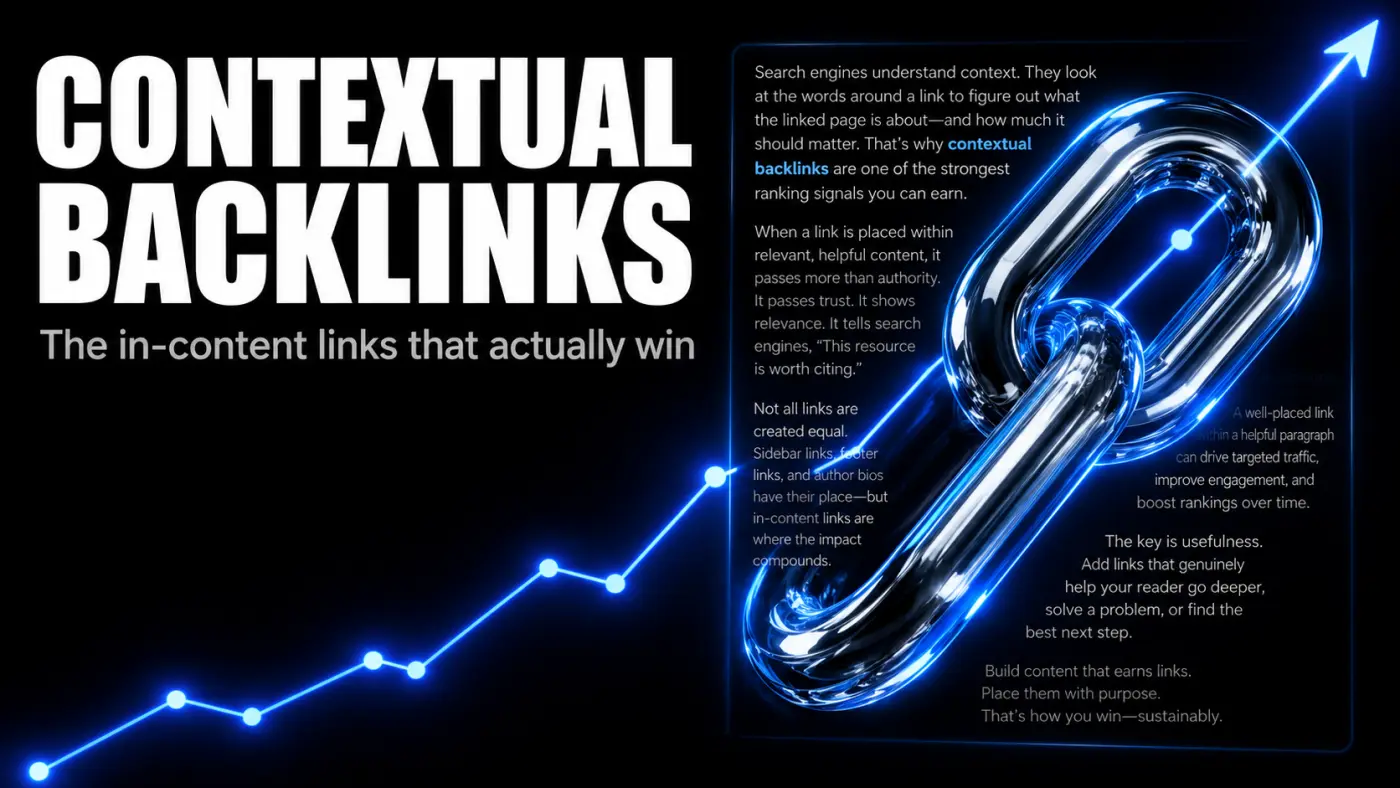
Contextual Backlinks: What They Are, Why They Win, and How To Earn Them
A contextual backlink sits inside the body of an article, surrounded by relevant text, not in a footer or author bio. That placement is what gives it weight. Here is what contextual backlinks are, what makes one high quality, how to earn them, and how to spot the cheap fakes.
- Link Building
 Bart Magera12 min read
What Is White Hat Link Building? Techniques That Work in 2026
The Problem: Why Most Link Building Fails Your SEO You wrote great content. It’s relevant. It’s useful. It even has infographics. But guess what? Crickets. Nobody’s linking. Google’s not ranking. And your “ultimate guide” is buried somewhere on page 7 under a recipe blog and a…
- Link Building
 Bart Magera10 min read
Tiered Link Building: How It Works and How To Do It Safely
Tiered link building layers weaker links behind your strongest ones to pass more authority to your money pages. Here is how the pyramid works, how to build one, which links are worth tiering, the risk SpamBrain introduced, and the lower-risk path I use on client sites.